


Mount Kenya University student Daniel Mulala from the Democratic Republic of Congo has introduced an innovative Artificial Intelligence solution that allows lecturers to teach without the need for blackboards, whiteboards, or traditional writing instruments. While pursuing a Bachelor of Technology in Computer and Electronic Systems, Mulala’s invention enables educators to use their hands to visually illustrate and explain mathematical concepts in a virtual setting.
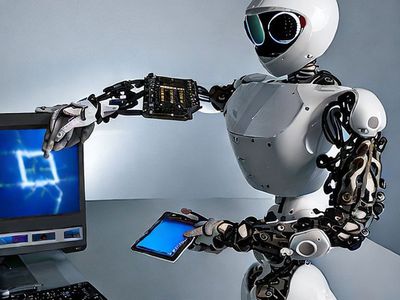
During a recent symposium at the university, Mulala demonstrated how his innovation permits students learning online to view and interact with concepts dynamically, as instructors can erase virtually written material with simple gestures. He believes that with adequate support, his technology has the potential to transform the education sector by eliminating the reliance on traditional teaching aids like dusters and pens.
Mulala’s solution can be adapted to 3D models, enhancing interactivity with various electronic components and educational tools. Reflecting on his own experience, he expressed the challenges of online learning, especially in technology courses that benefit from hands-on exposure to physical equipment.
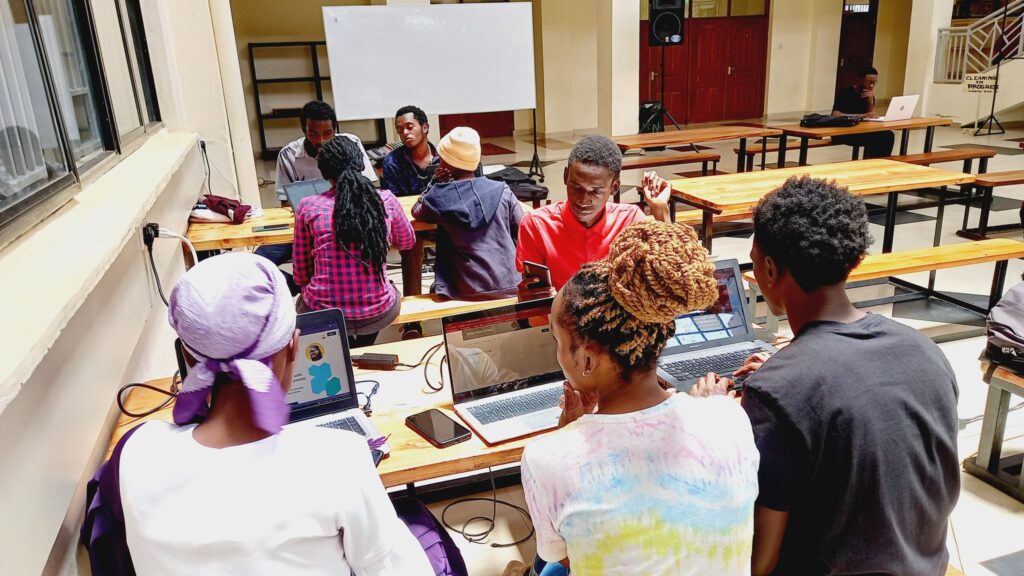
“I envisioned a way to learn online without needing to attend classes physically at MKU in Thika. However, many tech courses require physical interaction with electronic components, which led me to develop this innovation,” Mulala shared.
He also highlighted the affordability of his solution compared to similar offerings from major tech companies. However, he pointed out the significant barriers posed by insufficient resources and expertise in universities as obstacles to advancing AI innovations. “While students possess great ideas, they often struggle with a lack of research facilities and high-quality laboratories needed to refine their solutions,” Mulala lamented.
About The Author