



Kenya has become the first African nation to implement a global initiative aimed at safeguarding the rights and improving the lives of informal waste pickers in the plastics recycling industry. The project is part of the Responsible Sourcing Initiative, led by The Circulate Initiative, which focuses on tackling ocean plastic pollution in emerging markets. Funded by The Coca-Cola Foundation and IKEA Foundation, the initiative will expand to Ethiopia in 2026.
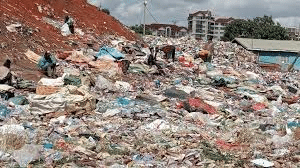
The Kenya National Waste Pickers Welfare Association estimates that approximately 46,000 waste pickers work across the country, often in hazardous conditions with little recognition or protection. A baseline assessment revealed that these workers face low pay and unsafe conditions, highlighting the urgent need for systemic changes.
Annerieke Douma, Senior Director of Programs at The Circulate Initiative, emphasized the importance of a systems-level approach to responsible sourcing. “The baseline assessment in Kenya highlighted the need for a systems-level approach to responsible sourcing,” she stated, noting that routine discrimination against waste pickers remains a significant challenge.
The initiative is being implemented in collaboration with Mr. Green Africa, a Nairobi-based plastics recycler that integrates informal waste collectors into its operations. Co-Founder and CEO Keiran Smith expressed that their technology-driven model aims to create a transparent, inclusive value chain that improves livelihoods and conditions for waste workers.
A new tool, the Harmonized Responsible Sourcing Framework for Recycled Plastics, launched globally in 2024, provides actionable guidelines for implementing responsible sourcing practices in the recycling value chain. An initial assessment of Mr. Green Africa’s operations praised best practices but also identified key risk areas, including low pay and poor access to social services.
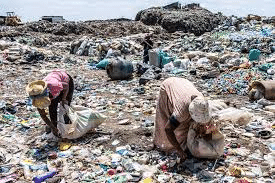
Carlos Pagoaga, President of The Coca-Cola Foundation, noted the crucial role of informal waste workers in building a sustainable future. He stated, “We are proud to support the Responsible Sourcing Initiative, which aims to create real impact and ensure the people behind our recycling efforts are recognized and protected.”
The Kenyan project will contribute to a broader Responsible Sourcing Network Africa (RSNA), which seeks to support similar initiatives across several African countries, including Egypt, Nigeria, and Morocco. The initiative aims to improve the livelihoods of 50,000 informal waste workers and secure commitments from over 50 brands, investors, and recyclers by 2026.
As Douma highlighted, “The Kenyan project is the first step towards scaling responsible sourcing practices across Africa aimed at protecting workers who are at the frontlines of the fight against plastic pollution.”
About The Author