


Introduction.
Menstrual health is an integral part of women’s overall well-being and reproductive health. Every month, millions of women and girls around the world experience menstruation, yet this natural biological process is still surrounded by stigma, misinformation, and poor access to health services and products.
Menstrual health not only affects physical health but also impacts mental, emotional, and social well-being. Addressing menstrual issues with knowledge, empathy, and accessible care is essential for empowering individuals and promoting gender equality. This article explores the common menstrual problems many women face and provides practical solutions to manage them effectively.
1: Understanding the Menstrual Cycle
The menstrual cycle is a monthly process involving hormonal changes that prepare a woman’s body for pregnancy. The cycle typically lasts 28 days but can range from 21 to 35 days. It is divided into four phases:
1. Menstrual Phase – Shedding of the uterine lining, leading to bleeding.
2. Follicular Phase – The body prepares an egg for ovulation.
3. Ovulation – The release of the egg from the ovary.
4. Luteal Phase – The body prepares for pregnancy or the next cycle. A healthy menstrual cycle indicates balanced hormones and proper reproductive health. Any significant deviation from the normal cycle may signal underlying issues.
2: Common Menstrual Problems.
Several problems can disrupt the menstrual cycle. Here are the most common ones:
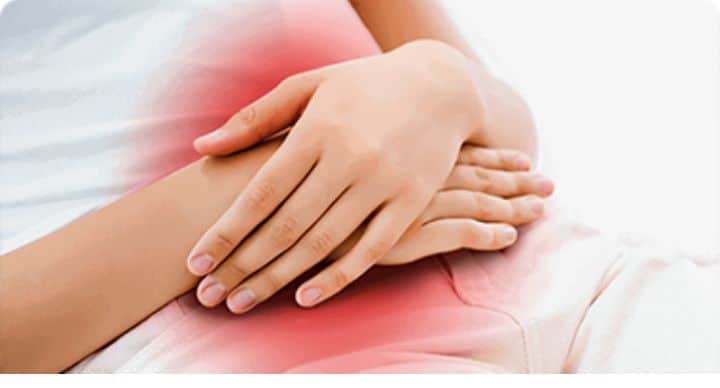
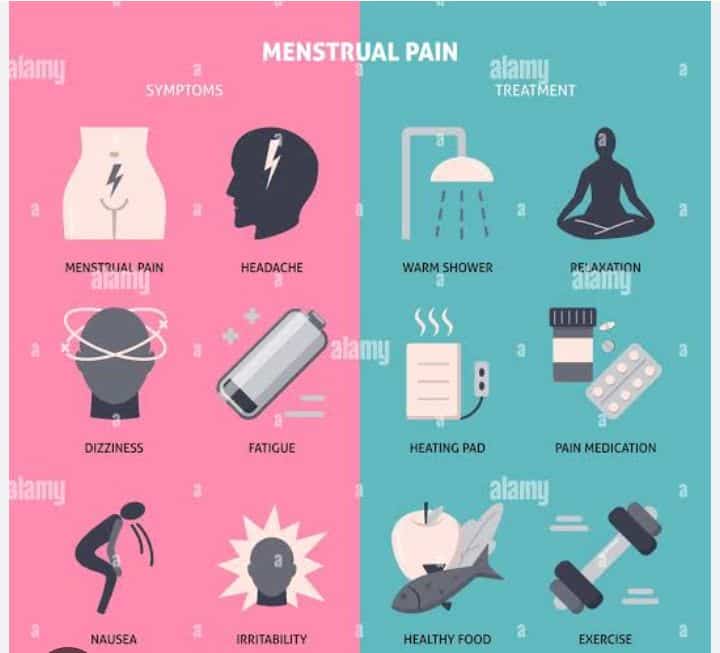
1. Dysmenorrhea (Painful Periods)Characterized by cramping pain in the lower abdomen, dysmenorrhea can be primary (without underlying health conditions) or secondary (caused by conditions like endometriosis or fibroids). It affects quality of life and productivity.
2. Amenorrhea (Absence of Menstruation)Primary amenorrhea refers to not having a period by age 15. Secondary amenorrhea is when a woman who has menstruated previously stops having periods for three months or more. Causes include stress, extreme weight loss, polycystic ovary syndrome (PCOS), or thyroid issues.
3. Menorrhagia (Heavy Bleeding)Excessive menstrual bleeding lasting more than 7 days or requiring frequent pad/tampon changes can lead to anemia and fatigue. It may result from hormonal imbalance, uterine fibroids, or blood clotting disorders.
4. Oligomenorrhea (Infrequent Periods)Periods occurring more than 35 days apart are considered infrequent. It can be a symptom of PCOS or thyroid dysfunction.
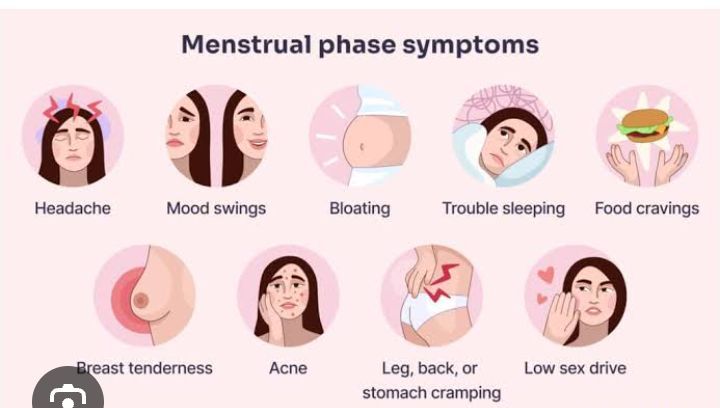
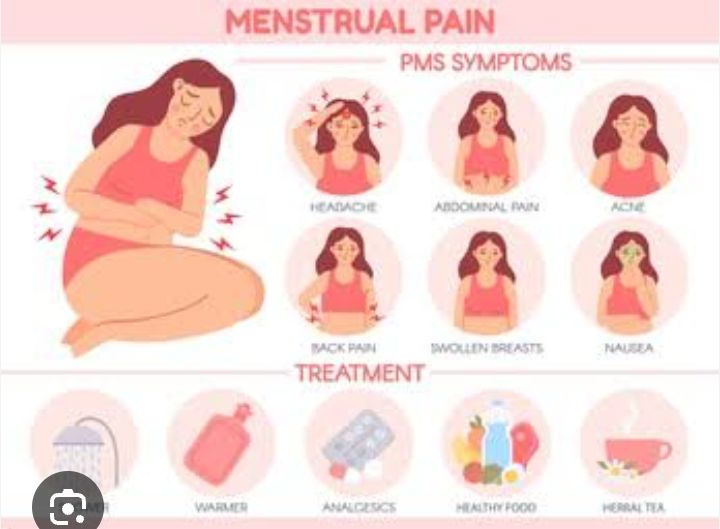
5. Premenstrual Syndrome (PMS)PMS includes emotional and physical symptoms like mood swings, breast tenderness, fatigue, and bloating, occurring 1–2 weeks before menstruation.
6. Premenstrual Dysphoric Disorder (PMDD)A severe form of PMS with intense mood changes, irritability, and depression, PMDD can significantly interfere with daily life.
3: Causes and Risk Factors
Many menstrual health problems stem from a mix of biological, lifestyle, and environmental factors.
Hormonal Imbalances – Estrogen and progesterone levels greatly influence the menstrual cycle.
Poor Nutrition – Lack of iron, calcium, or vitamin D can worsen PMS and menstrual pain
Stress – Chronic stress affects the hypothalamus and can delay or stop periods.Underlying Health Conditions – Thyroid disorders, diabetes, endometriosis, and PCOS are common culprits.
Excessive Exercise or Weight Loss – Seen often in athletes, this can disrupt normal cycles. Genetics Family history may play a role in conditions like fibroids or endometriosis. Understanding the root cause is vital for effective treatment and long-term management.
4: Practical Solutions and Management.
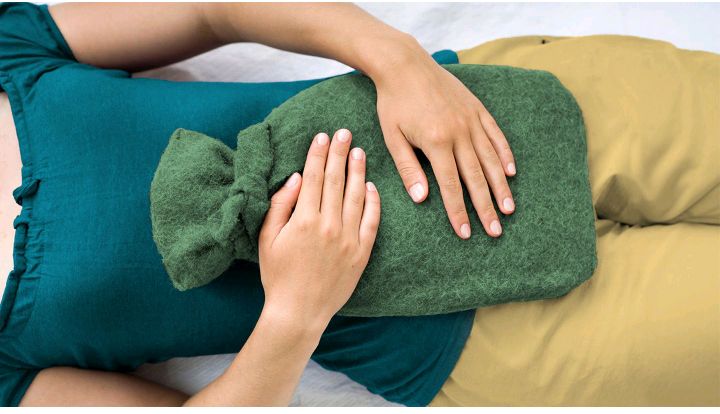
1. Pain Relief Over- the-counter painkillers like ibuprofen help reduce cramps and inflammation.Heat therapy using hot water bottles or heating pads relaxes muscles.Exercise and yoga improve blood flow and release endorphins, easing pain.
2. Diet and Lifestyle Changes Eat a balanced diet rich in fruits, vegetables, whole grains, and lean proteins.Reduce salt, sugar, and caffeine to ease bloating and irritability.Take iron supplements if experiencing heavy bleeding.Stay hydrated and avoid alcohol or smoking.
3. Hormonal Therapies Birth control pills regulate periods and reduce pain and bleeding.Hormonal IUDs can be used for long-term relief from heavy or painful periods.Always consult a doctor before starting any hormonal treatment.
4. Managing PMS and PMDD Cognitive Behavioral Therapy (CBT) helps manage emotional symptoms.Antidepressants (SSRIs) may be prescribed for PMDD.Maintain a symptom diary to track patterns and triggers.
5. Medical Intervention Seek medical help if periods are extremely painful, irregular, or suddenly change.Ultrasounds, blood tests, and pelvic exams may be needed to diagnose issues.Conditions like PCOS, endometriosis, or fibroids may require specialized treatment.
5: Breaking Taboos and Improving Menstrual Health Access Despite its importance, menstrual health is still shrouded in myths and stigma in many cultures. This leads to poor hygiene practices, missed school/work, and lack of care.
1. Education and Awareness open conversations about menstruation reduce shame and misinformation.Schools should incorporate menstrual health education for all genders.
2. Access to Sanitary Products Promote use of sanitary pads, tampons, menstrual cups, and reusable cloth pads.Governments and NGOs should provide free or affordable menstrual products, especially in underserved areas.
3. Improved Sanitation Ensure access to clean toilets and water, particularly in schools and workplaces.Encourage proper disposal of menstrual waste.
4. Empowering Women and Girls Menstrual health is a human rights issue. Empowering women through knowledge and access supports education, dignity, and gender equality.
Conclusion.
Menstrual health is not just a women’s issue it is a societal, health, and economic concern. By understanding common menstrual problems and their solutions, women and girls can take control of their reproductive health and lead healthier lives. It is also crucial for families, communities, and policymakers to support menstrual health initiatives and break the silence surrounding menstruation.With proper care, awareness, and compassion, menstrual health can be transformed from a taboo to a topic of empowerment and progress.
About The Author