



Plant-based living is more than just a dietary trend—it’s a lifestyle that nurtures both personal health and the planet. By focusing on foods such as fruits, vegetables, legumes, whole grains, nuts, and seeds, individuals can enjoy a wide range of nutrients that support the body’s natural functions. These foods are rich in vitamins, minerals, fiber, and antioxidants that strengthen the immune system, improve digestion, and reduce the risk of chronic diseases. Choosing plant-based meals also promotes sustainable food production, helping to protect the environment for future generations.
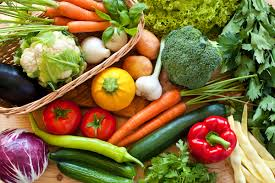
Beyond physical health, plant-based diets play a crucial role in supporting mental wellness. Studies show that people who consume more plant-based foods experience lower rates of depression, anxiety, and mood disorders. Nutrients like magnesium, folate, and omega-3 fatty acids found in plants enhance brain function and support the production of feel-good hormones such as serotonin. A diet rooted in whole, natural foods can boost energy levels, improve focus, and create a greater sense of emotional balance.

For young people, adopting a plant-based lifestyle can be an empowering act of self-care and social responsibility. It encourages mindful choices that benefit personal health while contributing to global sustainability. Learning to cook colorful, plant-rich meals not only sparks creativity but also fosters independence and awareness of how food choices affect the body and the planet. This approach teaches youth that wellness extends beyond themselves—it connects to the world around them.

In essence, plant-based living is a path to holistic well-being. It proves that eating healthily can also mean living consciously and compassionately. By embracing sustainable diets, young people can nourish their bodies, uplift their minds, and make a positive impact on the environment. A plate full of plants is not just a meal—it’s a step toward a healthier, happier, and more sustainable future.
About The Author