



In recent years, science has revealed a fascinating connection between the gut and the brain, often referred to as the “gut-brain axis.” This link shows that the digestive system is not just responsible for breaking down food—it also plays a crucial role in regulating mood, emotions, and cognitive function. The gut is home to trillions of bacteria, collectively known as the gut microbiome, which communicate with the brain through nerves, hormones, and chemical signals. When these bacteria are balanced and healthy, they support not only digestion but also mental clarity and emotional stability.
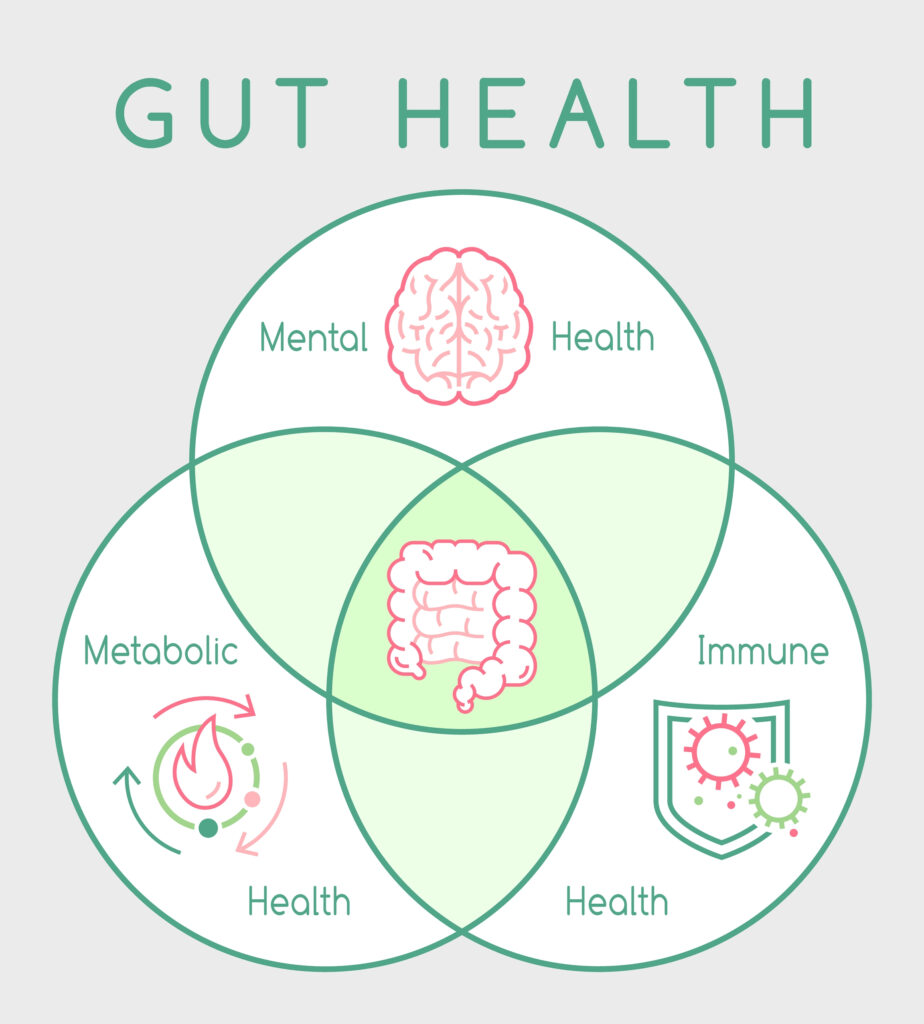
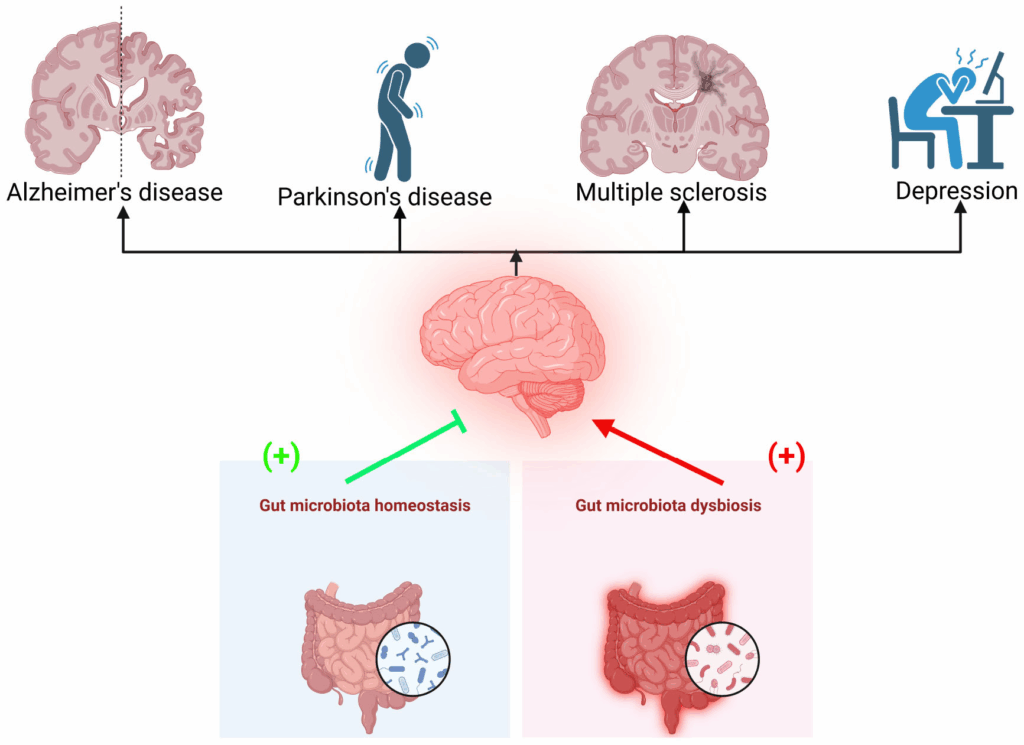
A healthy gut helps produce important neurotransmitters like serotonin and dopamine, which are key to feelings of happiness and motivation. In fact, about 90% of the body’s serotonin—the “feel-good” hormone—is produced in the gut. However, when the gut microbiome is disrupted by poor diet, stress, or antibiotics, it can lead to inflammation and imbalance, affecting both mood and brain function. This is why people with gut issues often experience anxiety, fatigue, or depression alongside physical symptoms.
For young people, maintaining gut health is a powerful way to support both body and mind. Eating fiber-rich foods like fruits, vegetables, and whole grains, along with probiotics found in yogurt and fermented foods, helps strengthen the gut microbiome. Drinking plenty of water, managing stress, and getting enough sleep also play vital roles in keeping the digestive system and brain in harmony. Small, consistent choices can make a big difference in emotional balance and mental sharpness.
Ultimately, gut health is at the heart of overall wellness. When we nourish our digestive systems, we nurture our emotional resilience and cognitive performance. Understanding the gut-brain connection empowers youth to take charge of their health in a deeper way—proving that a healthy mind truly begins with a healthy gut. By caring for what happens inside, we create balance, energy, and peace from within.
About The Author