



In recent years, junk food has become a defining feature of youth culture. From fast-food restaurants on every corner to colorful advertisements targeting young consumers, unhealthy eating has been normalized as a convenient and fun lifestyle. While the physical effects of junk food—such as obesity, diabetes, and heart disease—are well known, its impact on mental health is often overlooked. What many young people don’t realize is that the foods they eat daily can deeply influence their mood, concentration, and emotional stability.

Junk food is typically loaded with sugar, unhealthy fats, and artificial additives, but lacks the essential nutrients the brain needs to function properly. These ingredients can cause sharp spikes and crashes in blood sugar levels, leading to irritability, fatigue, and mood swings. Over time, consistently eating such foods can affect the brain’s chemistry and contribute to anxiety, depression, and poor stress management. In contrast, diets rich in fruits, vegetables, and whole grains provide steady energy and support the production of mood-regulating hormones like serotonin.
The marketing of junk food makes the issue even more concerning. Social media influencers, flashy ads, and catchy slogans make unhealthy eating appear trendy and desirable. Youth are constantly exposed to messages that equate fast food with happiness, convenience, and social status. This creates a cycle where emotional comfort and identity become tied to junk food consumption. Unfortunately, the short-term pleasure from these foods often leads to long-term emotional struggles and low self-esteem when poor health outcomes arise.
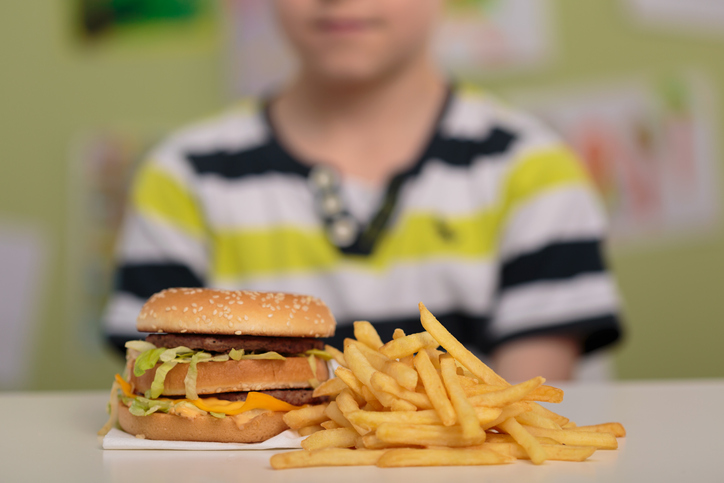
Beyond the individual, junk food culture also affects communities. As mental health challenges among youth increase, unhealthy eating habits contribute to reduced academic performance, poor focus, and lower motivation. The more young people depend on quick, processed meals, the less they engage in habits that build true wellness—like cooking, exercising, and eating together with family or friends. This loss of connection and vitality weakens both mental and social well-being.

To break free from the grip of junk food culture, young people must become aware of what they consume and how it affects their minds. Choosing balanced meals, staying hydrated, and limiting processed snacks can boost both energy and mood. Schools, parents, and media platforms also play a vital role in promoting healthier habits. By making conscious food choices, youth can reclaim control over their physical and mental health—proving that true happiness doesn’t come from a fast-food bag, but from a nourished body and a healthy, peaceful mind.
About The Author