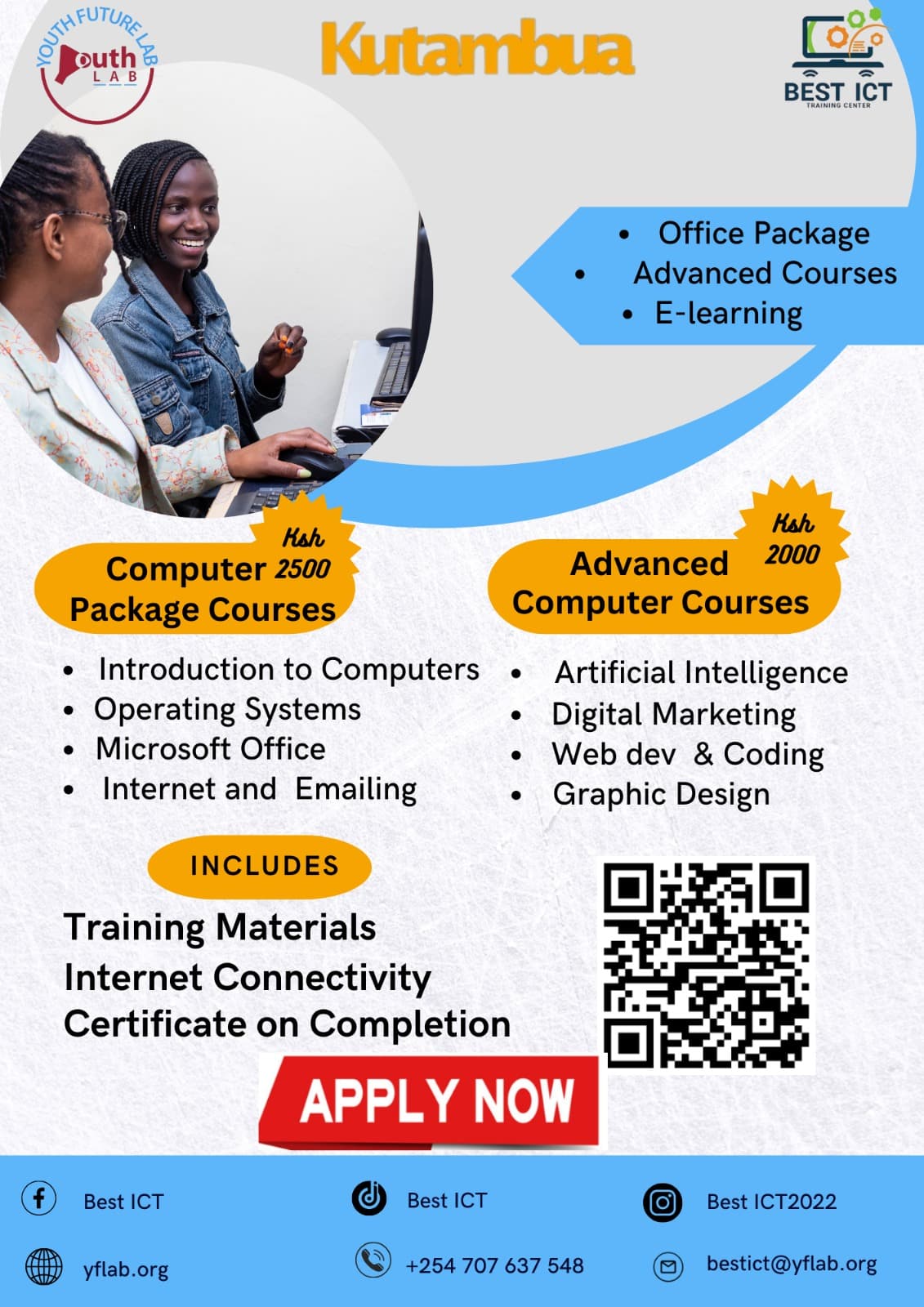



Access to quality education has long been heralded as the great equalizer, yet for millions of underprivileged youth around the world, this promise remains unfulfilled. Socioeconomic barriers, systemic inequality, and under-resourced schools continue to limit opportunities for students from marginalized communities. Inclusive education—an approach that values diversity, equity, and accessibility—is key to changing this narrative. By addressing the unique challenges faced by underprivileged youth, inclusive education empowers them to rise from the shadows and shape their own futures.

Inclusive education goes beyond simply placing students in classrooms; it involves creating learning environments where every child feels seen, supported, and valued. This means recognizing and responding to the cultural, linguistic, emotional, and learning differences of each student. From offering free school meals and accessible transportation to providing tailored academic support and mental health resources, inclusive policies help level the playing field. When students are given the tools they need to succeed, regardless of their background, they are more likely to thrive academically and personally.

The benefits of inclusive education extend beyond individual success. When diverse voices are nurtured in the classroom, it fosters empathy, critical thinking, and collaboration—skills that are essential for a healthy, just society. Moreover, inclusive education breaks cycles of poverty by opening doors to higher education, better job prospects, and civic engagement. By investing in underprivileged youth today, communities build stronger, more resilient foundations for tomorrow.

Empowering disadvantaged students through inclusive education is not just an act of charity—it is a matter of social justice. It requires commitment from governments, educators, and communities to confront systemic inequities and reimagine education as a tool for liberation, not limitation. Only by uplifting every learner can we truly create a future where success is not dictated by one’s circumstances, but by their potential.
About The Author