



Storytelling has always been the heartbeat of African identity — a living archive of wisdom, history, and shared humanity. Across generations, stories have connected families, shaped moral values, and preserved ancestral knowledge. Today, as African diasporic voices rise within global media, this ancient art form is being powerfully reimagined through film, literature, podcasts, and digital platforms that merge tradition with innovation.
From the oral tales of the griots to the bold narratives on streaming platforms, storytelling remains a vessel through which African people — at home and abroad — affirm who they are and how they see the world
Across cities and towns in Africa and the diaspora, local creative hubs are emerging as transformative spaces where art, technology, and community intersect. These hubs are redefining inclusion by empowering underrepresented groups — especially women, youth, and marginalized creatives — to share ideas, build skills, and co-create solutions that spark both cultural and economic renewal.
Far beyond traditional art spaces, creative hubs now function as engines of innovation and social cohesion, providing platforms for expression, collaboration, and entrepreneurship. Whether it’s a repurposed warehouse in Nairobi or a community arts centre in Nottingham, these spaces embody community power in action.
Fostering Belonging Through Creativity
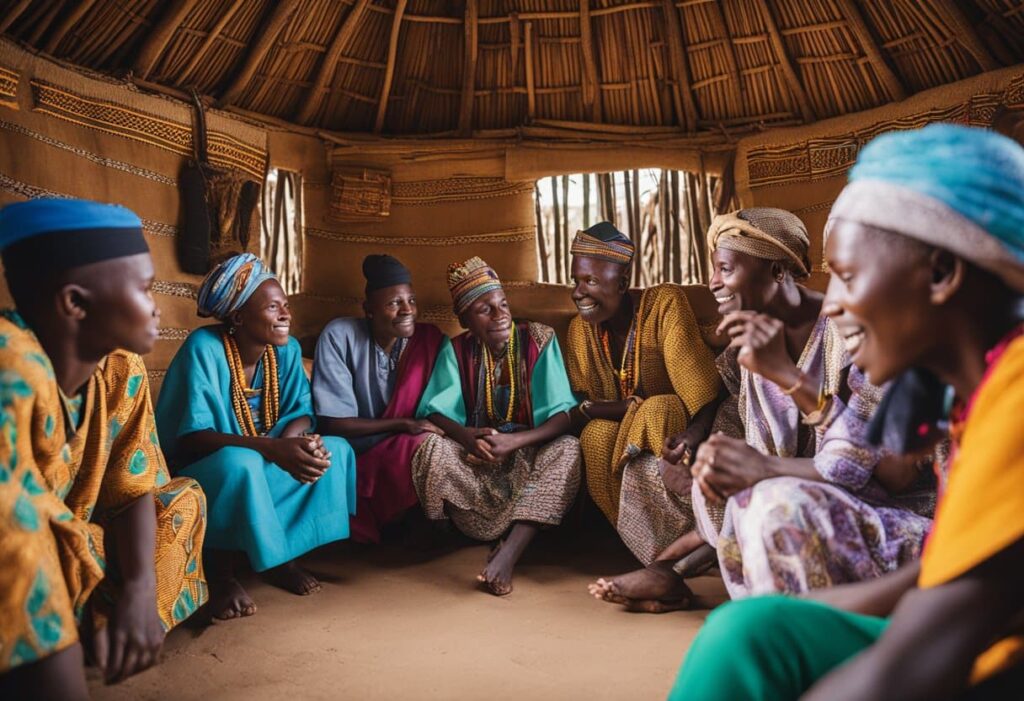
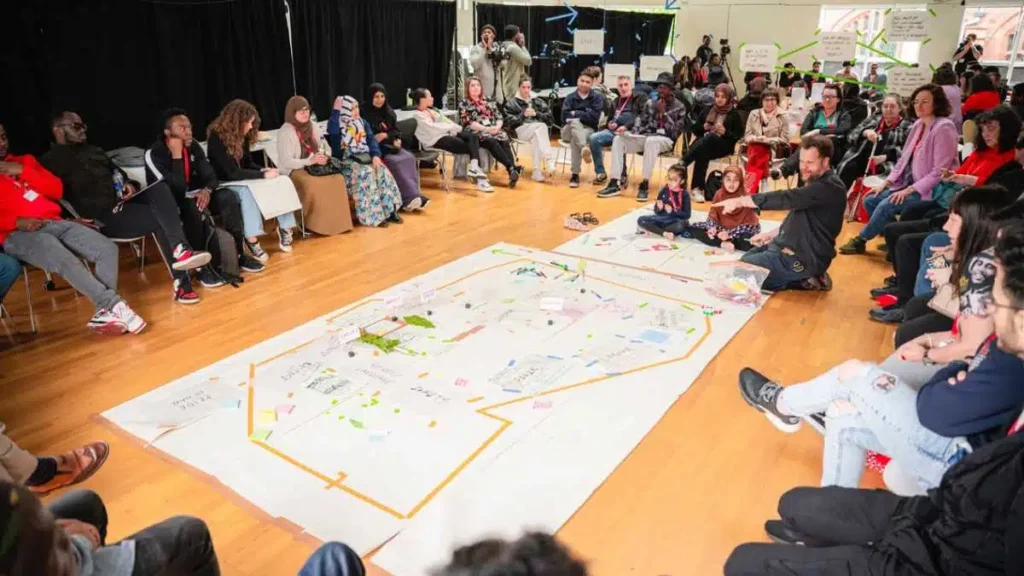
Creative hubs often serve as safe, inclusive environments where diverse voices are welcomed and valued. In Nottingham, initiatives such as City Arts Nottingham and The New Art Exchange (NAE) have pioneered projects that use creativity to unite communities from different cultural backgrounds. Through workshops, exhibitions, and performances, these hubs promote cross-cultural understanding while giving local artists a platform to explore identity, migration, and belonging.
By centring inclusion, these spaces go beyond art-making — they build empathy and solidarity. Programs like Creative Pathways and Refugee Roots support refugees, young people, and minority communities to use art as a means of healing, confidence-building, and community integration. Their work illustrates how creativity can be a bridge between difference, sparking connection and shared purpose.
Innovation at the Grassroots
In Africa, creative hubs have evolved into vibrant innovation ecosystems that blend technology, culture, and social enterprise. In Nairobi, iHub and The GoDown Arts Centre stand out as models of community-driven innovation. iHub, for instance, has nurtured hundreds of tech startups, while The GoDown integrates art, design, and digital storytelling to empower creative entrepreneurs.
Similarly, across Lagos, Accra, and Kigali, creative spaces like CcHub, Impact Hub Accra, and Kigali Creative Hub are empowering youth through digital training, innovation labs, and social impact projects. These hubs provide not only tools and mentorship but also access to global networks and investors, amplifying African creativity on the world stage.
Driving Inclusive Economies
Creative hubs also play a critical role in local economic development. By nurturing creative entrepreneurship, they create jobs and foster new industries rooted in local culture and sustainability. A report by the British Council’s Creative Economy Programme highlights that creative hubs contribute to GDP growth while addressing inequality by promoting community-led solutions.
For many women and young people, these hubs provide the first real opportunity to turn passion into profession. Training programs in film, design, fashion, and digital marketing equip participants with the skills and confidence to enter the creative economy, often leading to self-employment or collective enterprises.
Creativity as a Catalyst for Inclusion
What makes creative hubs truly transformative is their ability to blend innovation with social purpose. They give voice to communities often excluded from mainstream narratives and foster a sense of ownership over creative and economic futures. The intersection of art and activism — seen in community murals, spoken word collectives, and cultural festivals — highlights how creativity can drive inclusion and civic engagement simultaneously.
In Nottingham, events hosted by New Art Exchange, such as the Here, There & Everywhere initiative, have showcased diasporic talent while sparking dialogue around identity and representation. Similarly, in Nairobi, hubs like PAWA254 have used art to mobilize civic action, advocate for social justice, and inspire youth to engage politically through creative expression.
The Future of Creative Hubs
As technology continues to reshape how communities connect, creative hubs stand as blueprints for inclusive innovation. By blending traditional storytelling with digital tools, they empower communities to imagine futures that are equitable, sustainable, and inspired.
The continued success of these spaces depends on sustained funding, policy support, and cross-continental partnerships that link creative talent in Africa with diaspora networks abroad. Together, they are redefining creativity not as a luxury, but as a force for inclusion, innovation, and community transformation.
Conclusion
Creative hubs across Africa and the diaspora embody the power of community-driven innovation. They prove that when creativity is inclusive and locally grounded, it becomes a catalyst for economic empowerment, cultural pride, and social cohesion.
Through collaboration and imagination, these hubs are shaping a world where creativity builds bridges — not barriers — and where innovation begins with community.
About The Author