



Africa’s diverse landscapes — from the Sahel to the savannah, rainforests to coastlines — have long nourished its people with an abundance of natural, nutrient-rich foods. Yet, many of these indigenous ingredients, once overlooked or confined to local use, are now emerging as global superfoods, celebrated for their health benefits, sustainability, and deep cultural roots.
As the world increasingly embraces plant-based and functional nutrition, African superfoods are gaining recognition not only for their nutritional power but also for their role in supporting local economies, food sovereignty, and cultural pride. From baobab to moringa, teff to fonio, these ancient foods are being reimagined for modern wellness.
Baobab: The Tree of Life
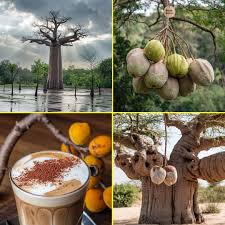
Known across Africa as “The Tree of Life,” the baobab has sustained communities for centuries. Its fruit pulp is exceptionally rich in vitamin C, antioxidants, and fiber, making it a potent immune booster and gut-health enhancer. The tangy, citrus-like powder is now used in smoothies, energy bars, and natural supplements worldwide.
In countries like Senegal and Malawi, women-led cooperatives process and export baobab sustainably, ensuring that the global demand translates into local benefit. As nutritionists highlight, baobab’s high prebiotic content supports digestion and energy balance, making it a natural wellness staple.
Moringa: Africa’s Green Miracle
Dubbed the “miracle tree,” moringa oleifera is one of the most nutrient-dense plants on Earth. Its leaves contain high levels of iron, calcium, protein, and vitamin A, making it a crucial food source in regions vulnerable to malnutrition.
In modern wellness circles, moringa is praised for its anti-inflammatory and antioxidant properties, supporting energy, skin health, and hormone balance. Across Kenya, Nigeria, and Ghana, social enterprises such as Moringa Connect and Kuli Kuli Foods partner with local farmers to produce ethical moringa powder and tea for both domestic and international markets — blending tradition with innovation.

Teff and Fonio: Ancient Grains for the Future
Long before quinoa became a global health food, African grains like teff (from Ethiopia) and fonio (from West Africa) nourished generations with their gluten-free, protein-rich, and mineral-packed profiles.
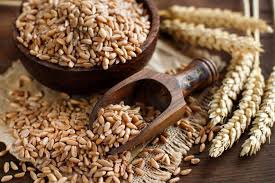
Teff, the tiny grain behind Ethiopia’s iconic injera bread, is high in iron, calcium, and resistant starch, making it ideal for energy and gut health. Fonio, cultivated for over 5,000 years, thrives in arid soils and cooks in minutes — offering a climate-resilient alternative to rice and wheat. Today, brands such as Yolélé Foods and Lovegrass Ethiopia are reintroducing these grains to global markets, promoting sustainable farming and nutritional diversity.
Tiger Nuts, Hibiscus, and Tamarind: Hidden Gems of African Wellness
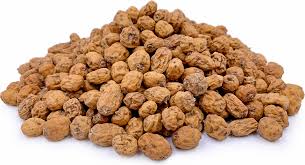
Beyond the well-known superfoods, Africa is home to a wealth of underappreciated nutritional treasures. Tiger nuts (ofio or chufa) from Nigeria and Ghana are rich in magnesium, fiber, and healthy fats — supporting heart health and digestion.
Hibiscus, used to make zobo or bissap, is not only refreshing but also packed with antioxidants and shown to help lower blood pressure. Meanwhile, tamarind, widely used in East African cuisine, supports liver function and aids digestion. These natural ingredients exemplify how traditional diets have long been aligned with modern wellness principles — balance, nourishment, and natural healing.
Sustainability and Food Sovereignty
The rise of African superfoods also tells a story of economic empowerment and sustainability. As global consumers seek ethical, plant-based alternatives, African farmers and cooperatives are reclaiming ownership of indigenous crops long undervalued in international markets.
Organizations such as the African Development Bank and Slow Food International are supporting programs that enhance value chains, promote fair trade, and preserve biodiversity. This not only ensures that African superfoods reach global shelves but that their benefits flow back to local producers — particularly women farmers who are often custodians of traditional agricultural knowledge.
Conclusion: A Taste of Wellness, Rooted in Heritage
African superfoods are more than nutritional trends — they are stories of resilience, sustainability, and cultural pride. Each seed, leaf, and grain connects modern wellness to ancient wisdom, proving that the future of global nutrition may well be rooted in Africa’s soil.
As the world rediscovers the value of natural, holistic nourishment, Africa’s indigenous foods remind us that wellness is not just about what we eat — it’s about how we grow, share, and honor the land that feeds us.
About The Author