



Migration is often celebrated as a story of opportunity — a journey toward education, stability, or prosperity. Yet, beneath that promise lies a quieter, more complex story: one of psychological adjustment, cultural dislocation, and resilience. For many African migrants in the UK, maintaining mental well-being involves navigating the intersections of culture, identity, and systemic challenges. Despite barriers to access and stigma surrounding mental health, African communities across the UK are developing powerful models of resilience rooted in collective care, faith, and cultural identity.
Understanding the Mental Health Landscape
African migrants face a unique set of mental health stressors shaped by both pre-migration experiences and post-migration realities. Research shows that migrants from African countries may be more likely to experience anxiety, depression, and trauma-related conditions due to factors such as displacement, discrimination, or economic hardship. Yet, African-born individuals are less likely to seek professional mental health support, often due to cultural stigma, mistrust in health systems, or lack of culturally competent care.
The Mental Health Foundation and Mind UK report that Black African and Caribbean communities are disproportionately represented in crisis care and detention under the Mental Health Act, reflecting structural inequalities and limited access to early, preventative support. These disparities highlight the urgent need for community-based, culturally informed mental health interventions.
Cultural Stigma and Silence
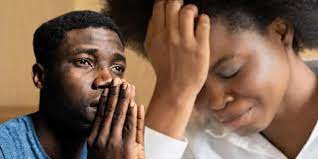
In many African cultures, mental illness is still perceived through moral, spiritual, or social lenses rather than as a medical condition. Words like madness or possession are sometimes used, reinforcing shame and discouraging open discussion. As a result, many migrants struggle privately with emotional distress, masking it behind stoicism or faith.
However, this same faith-based orientation can also serve as a powerful coping mechanism. Churches, mosques, and community groups often act as informal support systems, offering belonging and shared identity. Faith leaders are increasingly collaborating with mental health advocates to reframe emotional well-being as compatible with spiritual strength, encouraging more open conversations around healing and vulnerability.
Community-Based Healing and Peer Support
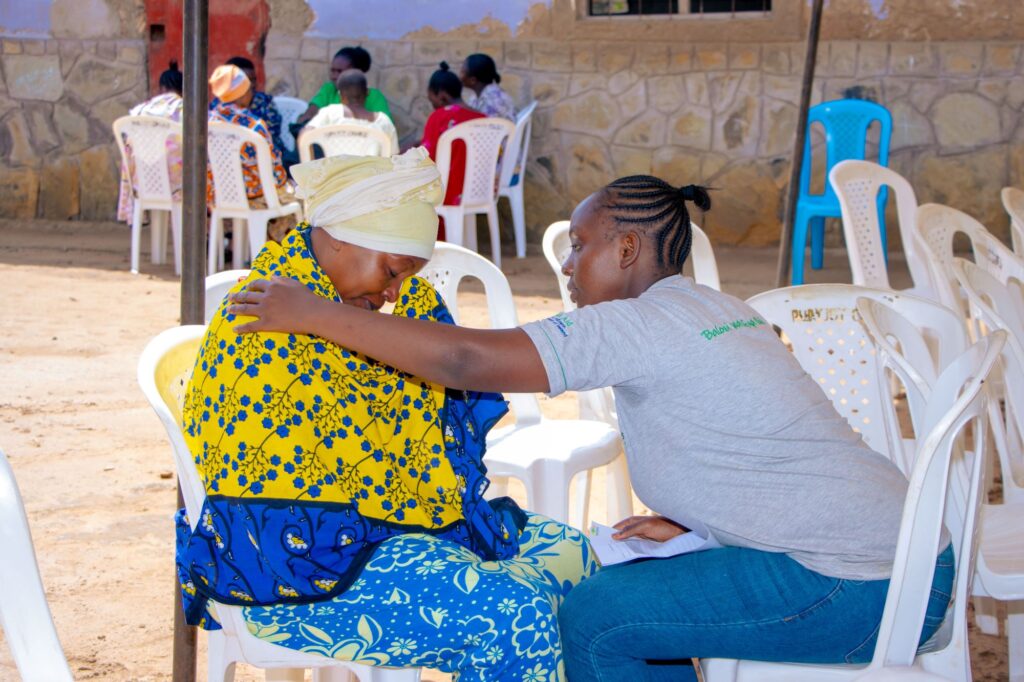
Across the UK, grassroots organizations led by African and Caribbean communities are pioneering culturally responsive mental health programs. Initiatives such as Black Minds Matter UK and Nafsiyat Intercultural Therapy Centre provide free or low-cost therapy by Black and ethnic minority therapists who understand cultural nuance and identity dynamics.
In Nottingham, Sistah Space and FORWARD UK run peer support groups that focus on emotional healing from experiences such as migration stress, domestic abuse, and racial trauma. These safe spaces enable storytelling, solidarity, and the normalization of mental health care — transforming private suffering into collective resilience.

Intergenerational Perspectives: Adapting While Remembering
For second-generation Africans born or raised in the UK, mental health resilience takes on a different form — one rooted in negotiating dual identity. Many young people navigate the tension between African cultural expectations and Western ideals of self-expression, independence, and therapy.
Community mentors and psychologists note that fostering intergenerational dialogue — between parents who value endurance and youth who advocate for openness — is essential for breaking cycles of silence. Digital platforms such as Therapy for Black Girls UK and Black Thrive Global have become influential spaces for education and visibility, helping young Africans articulate their experiences in culturally relevant ways.

Resilience Through Culture and Creativity
Music, storytelling, and art have long served as healing languages within African cultures — and in the diaspora, they continue to be forms of emotional liberation. From spoken word collectives to Afro-diasporic art therapy projects, creative expression allows migrants to process trauma, reconnect with heritage, and build community solidarity.
Initiatives like Project 90 by 2030 and Black Girl Knit Club blend art, dialogue, and activism to nurture emotional resilience. Cultural events such as When Women Gather UK also integrate music and movement therapy to strengthen mental well-being within African communities. These practices illustrate that healing is not just clinical — it’s cultural, embodied, and collective.
Looking Forward: Building a Culture of Care
True healing for the African diaspora requires systemic and cultural change. This includes training more Black mental health professionals, integrating culturally adapted therapies into NHS services, and promoting policies that address racial disparities in mental health access and treatment.
But equally, healing grows from within communities — through compassion, openness, and shared humanity. As African migrants continue to redefine resilience, they are crafting a new mental health narrative: one that honors faith, tradition, and endurance while embracing modern tools of healing, from counseling to creative expression.
Conclusion
African migrants in the UK are transforming mental health from a source of silence into a story of strength. Through faith, community, and innovation, they are proving that resilience is not the absence of struggle but the presence of healing.
Their journeys remind us that mental health is not only about treatment — it is about belonging, identity, and the courage to speak. And in that act of speaking, the diaspora finds not just survival, but wholeness.
About The Author