



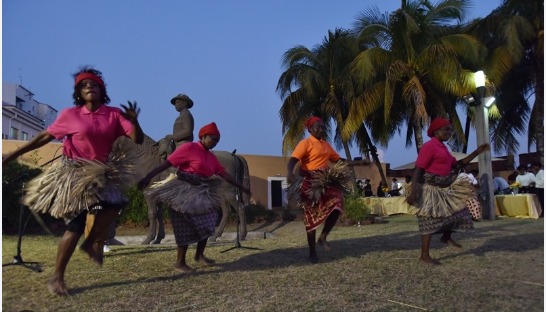
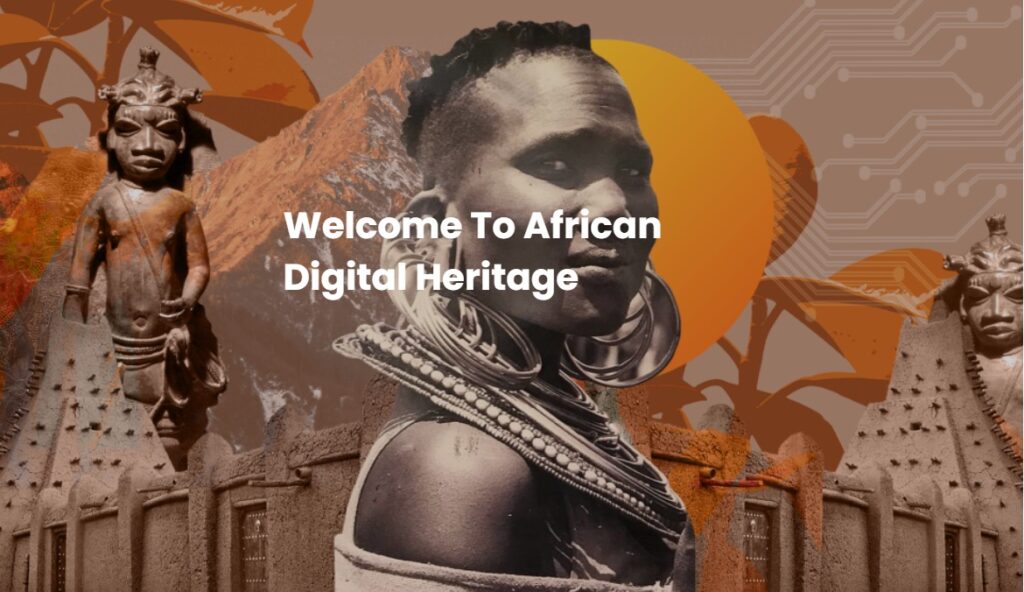
Africa’s heritage — expressed through oral traditions, music, artifacts, languages, and indigenous knowledge — forms the soul of its identity. Yet, much of this rich cultural legacy risks fading with time, migration, and modernization. Today, a new generation of African technologists, archivists, and creatives is using digital technology and artificial intelligence to preserve, reimagine, and share this heritage with the world. Through digital archiving, AI storytelling, and virtual heritage projects, technology is ensuring that Africa’s cultural memory not only survives but evolves — dynamic, accessible, and alive for future generations.
Digitizing the Past: The Power of Digital Archiving
Across the continent, digital archiving initiatives are transforming how African stories and artifacts are preserved. Projects such as the African Digital Heritage Initiative in Kenya and Google Arts & Culture’s “Heritage on the Edge” program are digitizing historical sites, oral histories, and traditional art forms to protect them from loss and degradation. These digital repositories use high-resolution imaging, 3D scanning, and metadata cataloguing to make cultural materials accessible to global audiences and local communities alike.
For instance, Kenya’s African Digital Heritage works with museums and local custodians to document traditional crafts and community histories, blending archival rigor with cultural sensitivity. In Nigeria, the Pan-Atlantic University’s Digital Museum of African Art offers virtual access to priceless art collections, promoting both scholarship and appreciation of African aesthetics.
Artificial Intelligence as a Cultural Storyteller
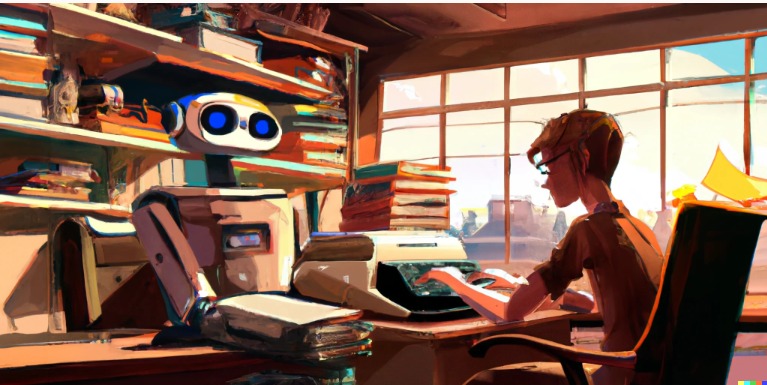
Artificial Intelligence is emerging as a new griot — the digital storyteller reimagining Africa’s oral traditions for a modern age. AI tools are being used to translate, transcribe, and revive indigenous languages, many of which are endangered. For example, the Masakhane Project, a pan-African research collective, develops natural language processing (NLP) models for African languages, ensuring they are represented in global digital systems.
AI storytelling platforms are also animating traditional folklore. Creative technologists are experimenting with machine learning to generate interactive narratives, blending ancestral stories with digital art, sound, and motion. In Ghana, initiatives like The Jeli Project use AI-driven interfaces to archive folktales and create immersive storytelling experiences rooted in oral heritage. This convergence of AI and culture amplifies Africa’s voice in the digital space, proving that technology can be both innovative and deeply ancestral.
Virtual Heritage: Immersive Experiences of Culture
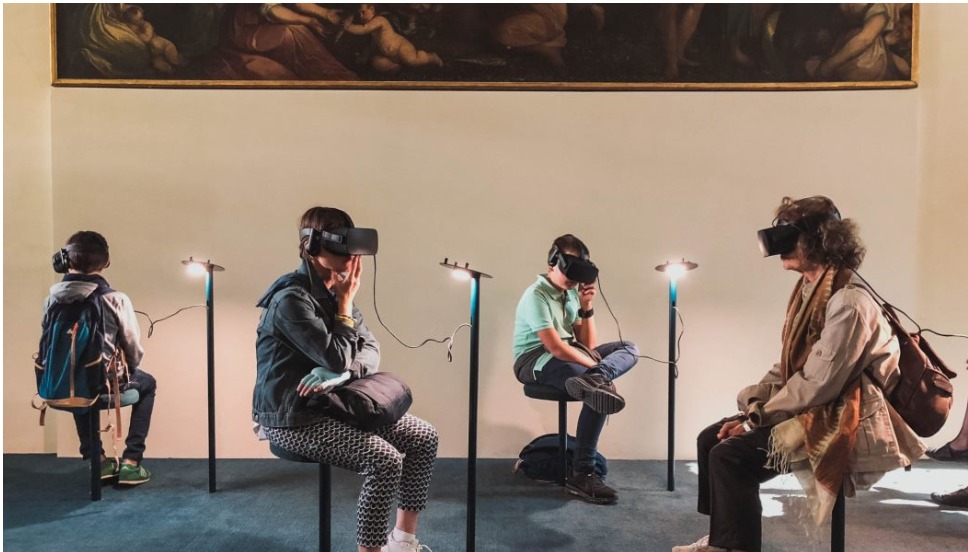
Virtual reality (VR) and augmented reality (AR) are enabling audiences to experience African heritage in unprecedented ways. Through 3D reconstructions and immersive storytelling, ancient monuments, cultural festivals, and traditional rituals are being brought to life digitally.
The Mali Magic Project, led by Google Arts & Culture, digitized thousands of manuscripts from Timbuktu, preserving them from potential destruction and making them freely accessible online. Similarly, Electric South in South Africa empowers African artists to create VR films that explore identity, heritage, and social issues through immersive visuals. These projects not only safeguard history but also reinvigorate cultural education, allowing younger generations to engage with their heritage through familiar digital platforms.
Community and Ownership in Digital Heritage
While technology offers immense promise, it also raises questions about data ownership, cultural sensitivity, and digital sovereignty. African technologists and curators are increasingly advocating for community-led archiving — ensuring that local people retain control over how their stories are represented and shared.
Organizations like African Memory Project and Reanimating Cultural Heritage work with communities to collect, curate, and digitally preserve memories, photos, and family histories. Their participatory approach recognizes that heritage preservation must respect context and consent, empowering people to tell their own stories digitally, in their own voices.
The Future of Africa’s Digital Heritage
The integration of technology and tradition signals a powerful new phase for African identity. Through digital archiving, AI storytelling, and immersive experiences, Africa’s history is no longer confined to fragile manuscripts or fading memories — it is alive, evolving, and accessible across generations.
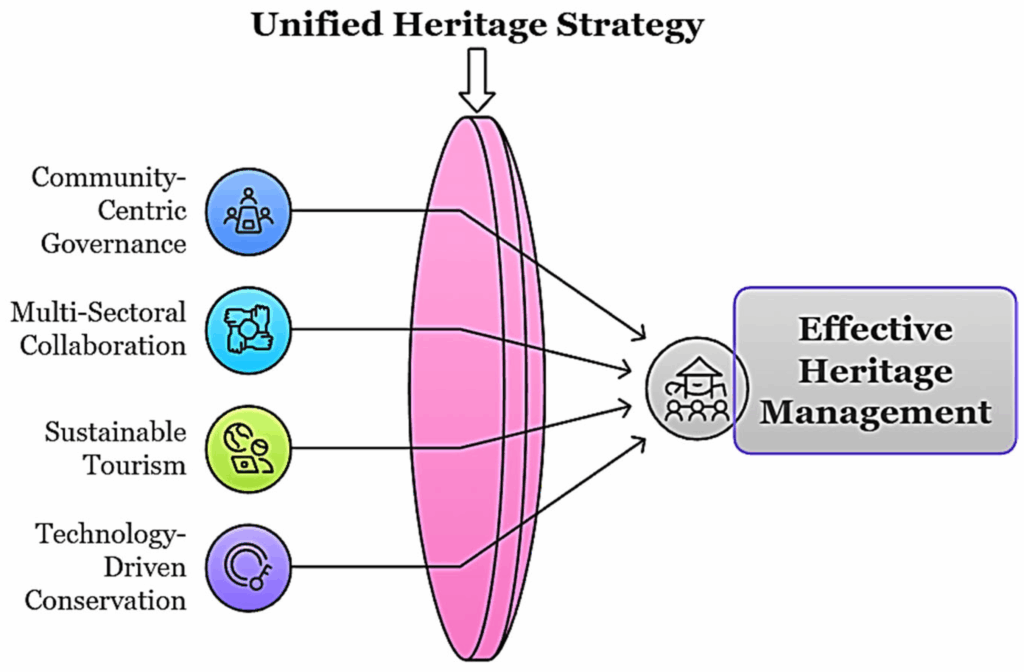
However, for this digital preservation to be sustainable, investment in digital infrastructure, open-access platforms, and cultural education is essential. Collaboration between governments, technologists, and creative industries can help scale these efforts, ensuring that Africa’s vast heritage — from ancient kingdoms to contemporary art — continues to inform, inspire, and connect communities worldwide.
Conclusion
Africa’s cultural renaissance is unfolding through code, pixels, and stories. By merging ancestral wisdom with digital innovation, African creators are proving that tradition and technology are not opposites — they are partners in progress. As AI learns to speak in African tongues and archives bring lost histories to light, the continent is shaping a new narrative: one where technology is a vessel for memory, identity, and transformation.
Through this fusion of tech and tradition, Africa is not only preserving its past but also inventing the future of storytelling itself.
About The Author