



Diaspora communities worldwide face unique hurdles in accessing mental health care, from language gaps and cultural stigma to the emotional toll of displacement and family separation. Digital platforms are stepping in as vital bridges, offering anonymous, affordable, and culturally attuned support that traditional services often overlook. These tools empower individuals far from home to address anxiety, trauma, and identity struggles without the intimidation of unfamiliar systems.
Culturally Tailored Digital Solutions
Platforms like Bliss, designed by and for Albanian migrants across Europe and beyond, connect users with therapists who share their language and cultural context, tackling issues from relationship strains to career stress. By using AI for sensitive matching and keeping sessions low-cost, it removes barriers like high fees and long waits that deter first- and second-generation migrants. Similar initiatives, such as those drawing from African models like Wazi in Kenya or FriendnPal in Nigeria, adapt therapy through chatbots, video calls, and community outreaches, proving effective when rooted in local languages and traditions.

Addressing Core Challenges
For refugees and immigrants, crowded living situations and privacy fears make in-person visits daunting, but telemental health flips this by allowing sessions from safe, private spaces like a bedroom or park bench. Research shows these approaches boost emotional wellbeing and social ties, especially when co-designed with community input to include trauma-informed content and multilingual resources. In the UK and US, hubs extend this further, blending self-help apps with signposting to local services, helping users navigate everything from asylum stress to acculturation grief.

Building Sustainable Access
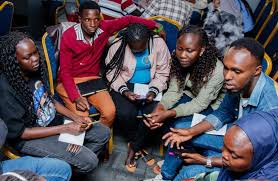
Community-partnered platforms succeed by engaging diverse stakeholders—parents, immigrants, and service providers—in focus groups to shape content that resonates, as seen in US efforts launched amid the pandemic for Latinx, Asian, and African American groups. While digital divides persist, with some lacking devices or data, hybrid models pairing online tools with grassroots events foster trust and long-term use. These innovations signal a shift: mental health support for diaspora isn’t just reactive but proactive, centering joy, resilience, and belonging over clinical distance.
About The Author