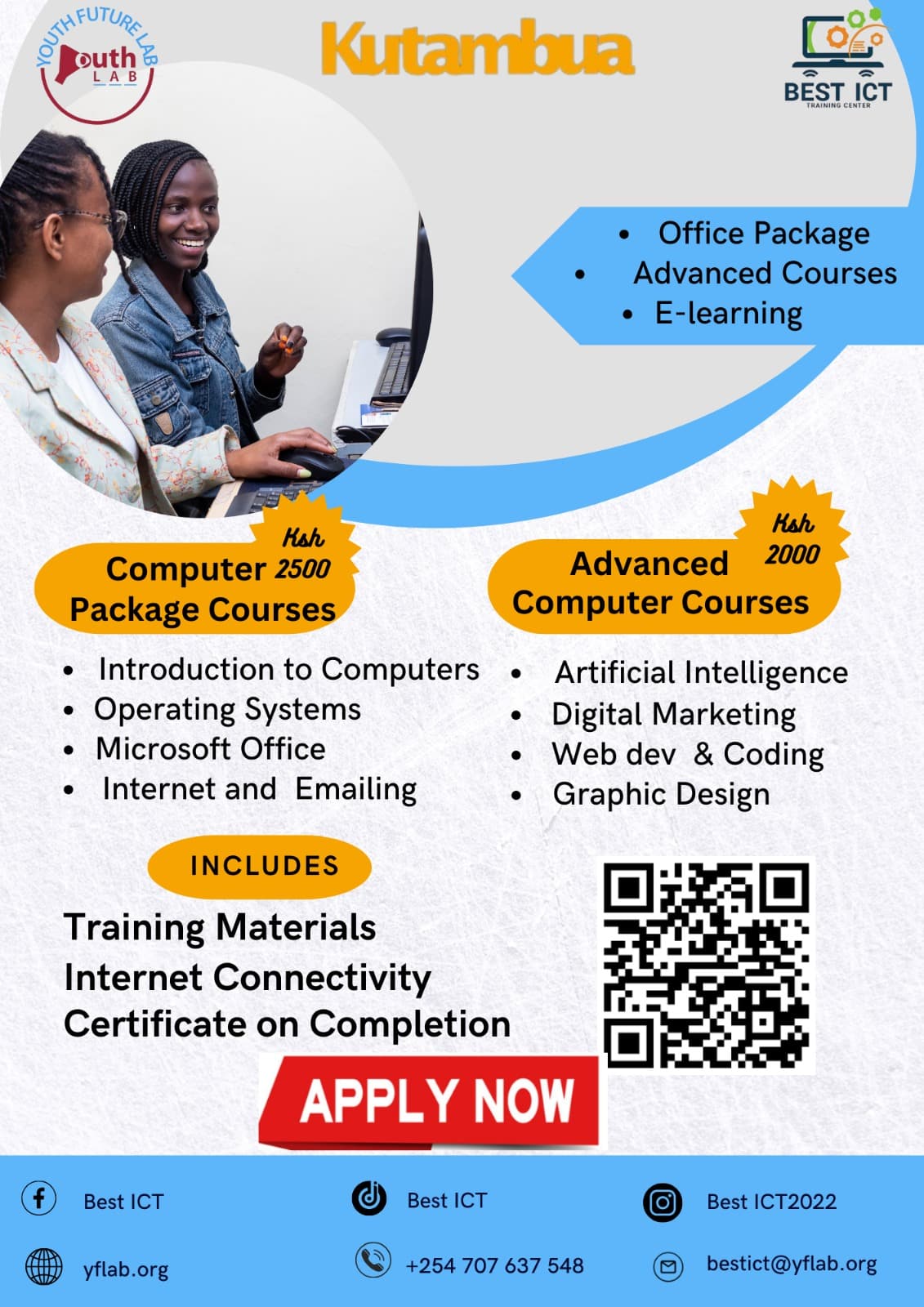



Small community clinics play a crucial role in providing healthcare services to underserved populations, yet they often face challenges such as limited budgets, staff shortages, and inadequate infrastructure. Technology, when implemented thoughtfully and affordably, can help overcome these barriers by improving efficiency, expanding access to care, and enhancing the quality of services provided.

Streamlining Clinic Operations
One of the most immediate benefits of technology for small clinics is operational efficiency. Affordable solutions such as digital appointment scheduling, electronic medical records (EMRs), and inventory management systems help clinics reduce administrative burdens and minimize errors. By automating routine tasks, staff can spend more time focusing on patient care, while patients experience shorter wait times and better service coordination.

Enhancing Patient Access
Telemedicine and mobile health applications are transforming how small clinics reach patients, especially in remote or underserved areas. Through video consultations, SMS reminders, and mobile health tracking, patients can access medical advice and follow-up care without traveling long distances. These tools not only expand healthcare access but also help monitor chronic conditions, improve adherence to treatment plans, and reduce preventable complications.

Affordable Diagnostics and Treatment Tools
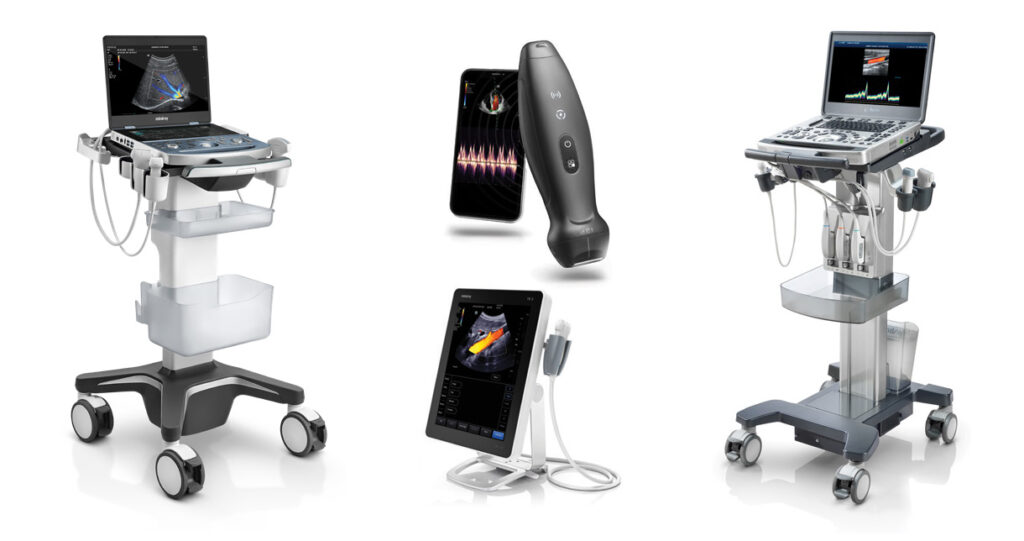
Innovative, low-cost medical devices and digital diagnostic tools are increasingly available to community clinics. Portable ultrasound machines, point-of-care testing kits, and mobile lab technologies allow clinics to provide essential diagnostic services without heavy investment in infrastructure. Paired with digital record-keeping, these tools help clinicians make timely, informed decisions and improve overall patient outcomes.
Data-Driven Decision Making
Even small clinics can benefit from analytics and reporting tools that track patient trends, treatment outcomes, and clinic performance. Affordable software platforms can generate insights that inform resource allocation, identify gaps in care, and support evidence-based interventions. By harnessing data, community clinics can operate more efficiently and deliver higher-quality care, even with limited staff and resources.

Supporting Sustainable Innovation
Adopting technology in small clinics requires a focus on sustainability and training. Staff must be equipped with the skills to use new tools effectively, and solutions must be compatible with existing workflows to avoid disruption. Community partnerships, open-source platforms, and local innovation hubs can provide guidance, technical support, and funding assistance, ensuring that tech adoption leads to long-term improvements in healthcare delivery.

Conclusion
Affordable technology solutions are transforming small community clinics, making healthcare more accessible, efficient, and patient-centered. By streamlining operations, expanding access, supporting diagnostics, and enabling data-driven decision-making, innovation empowers clinics to meet community needs with greater effectiveness. For underserved populations, these technologies are not just tools—they are lifelines that strengthen local healthcare systems and improve the quality of care for everyone.
About The Author