



The global refugee crisis has become one of the most defining humanitarian challenges of the 21st century, reflecting not only the fallout of conflict, persecution, and climate change but also the deep divisions that fracture international politics. With tens of millions displaced worldwide, the crisis exposes both the fragility of global systems designed to protect vulnerable populations and the moral test facing nations that must decide whether to open their doors or reinforce their borders. As displacement grows at a rate outpacing solutions, the crisis has transformed from a temporary emergency into a sustained global reality.
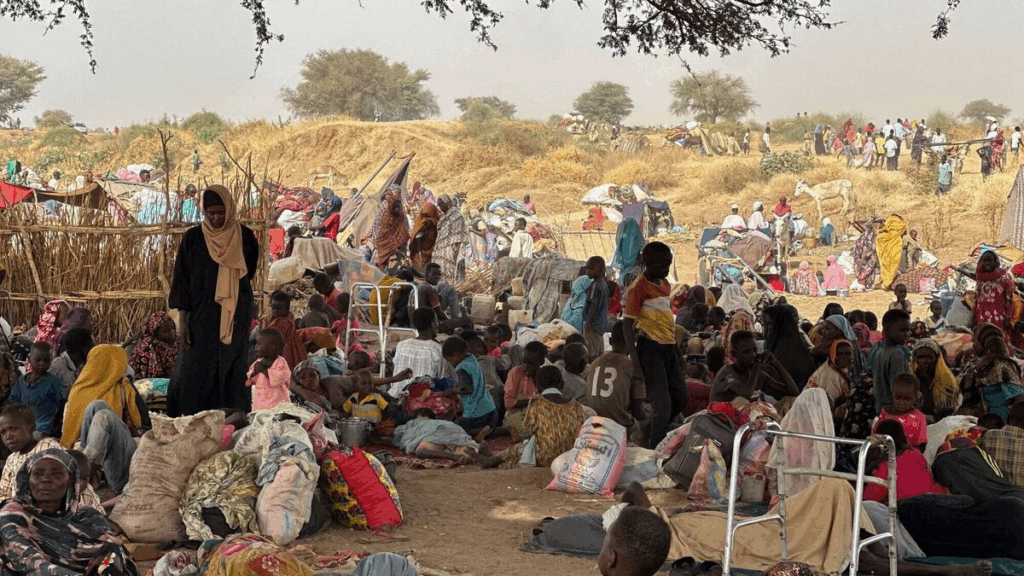
At the core of the crisis lies a stark imbalance: while a handful of countries host the majority of refugees, wealthier nations often hesitate to share responsibility. Political polarization, economic anxieties, and rising nationalism have fueled public resistance to resettlement programs, framing refugees as threats rather than victims. This dynamic compromises global efforts to respond collectively and undermines longstanding humanitarian principles. Meanwhile, host nations—many of them already struggling with limited resources—bear the humanitarian, economic, and social burden with insufficient international support.
The situation is further complicated by the emergence of climate-driven displacement. Extreme weather events, rising sea levels, and resource scarcity are pushing communities from their homes, creating a new category of people who fall outside traditional refugee protections. As climate impacts intensify, international frameworks must evolve to address these gaps, ensuring that displaced populations are not left in legal or humanitarian limbo. The crisis thus exposes not only geopolitical fractures but also the inadequacy of existing policies to address modern displacement patterns.
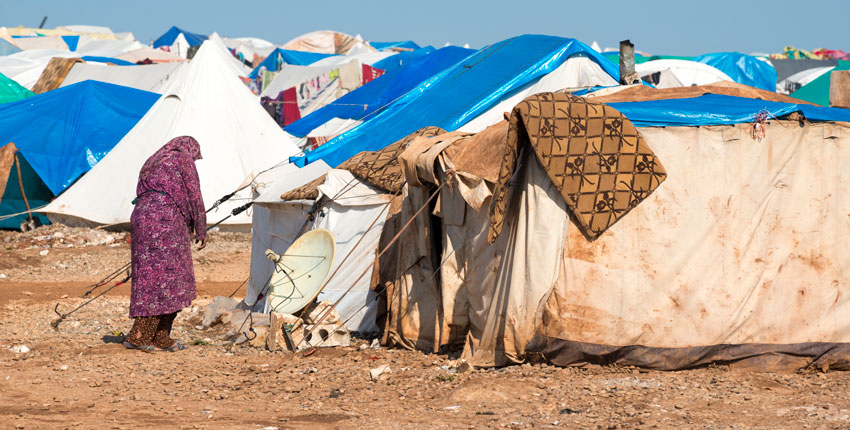
Ultimately, the global refugee crisis is a test of humanity’s capacity for empathy, cooperation, and long-term vision. Addressing it requires more than emergency relief; it demands political courage, equitable responsibility-sharing, and policies that integrate refugees into societies with dignity and opportunity. In a divided world, the true measure of global solidarity lies in how nations respond to those forced to flee. Whether the world chooses compassion or retreat will shape the moral and political landscape of generations to come.
About The Author