



In the digital age, the internet has become an essential part of young people’s lives—used for education, entertainment, and connecting with others. However, this constant online presence can lead to internet addiction and over-reliance on “cyber‑relationships”—connections formed and maintained solely online. While these digital interactions can offer a sense of community and support, excessive dependency often replaces real-life experiences, disrupts mental well-being, and erodes the quality of face-to-face relationships.
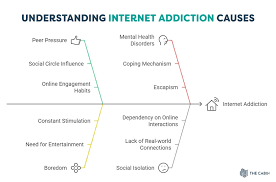
Internet addiction can manifest in various ways: compulsive social media use, late-night scrolling, or feeling anxious when disconnected. This habit often leads to poor sleep, reduced academic performance, and emotional burnout. Cyber-relationships, though comforting at times, may lack depth, trust, or accountability, and can expose youth to catfishing, cyberbullying, or emotional manipulation. Over time, young people may struggle to build real-life social skills, increasing feelings of isolation and loneliness.
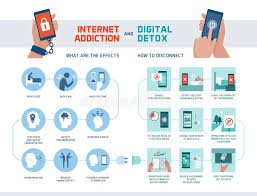
Navigating these challenges requires awareness and intentional action. Setting screen-time limits, taking regular digital detoxes, and prioritizing in-person interactions are effective starting points. Parents, educators, and peers also play a vital role in encouraging healthy tech use—by creating open conversations about emotional struggles, promoting offline hobbies, and modeling balanced digital habits. It’s also crucial to recognize the red flags of online dependency early and seek support when needed.

In conclusion, while the internet and digital relationships are part of modern life, they should not come at the cost of mental health and authentic connection. By understanding the risks and creating boundaries, young people can enjoy the benefits of online life without falling into the trap of digital overuse. A balanced approach—rooted in self-awareness and real-world engagement—will help youth thrive both online and offline.
About The Author