



Recent research has uncovered concerning findings about synthetic braiding hair, commonly viewed as a safe option by many Black women. A study conducted by Consumer Reports revealed that all tested brands, including Magic Fingers and Shake-N-Go, contained harmful substances linked to cancer and organ damage.
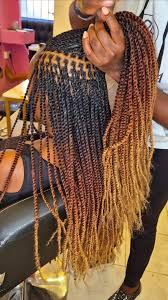
As scrutiny of personal care products aimed at Black women increases particularly those like hair relaxers known for severe health risks .Many have opted for natural hairstyles, such as braids, to avoid toxicity. However, this new study indicates that even these synthetic options can pose health risks due to the presence of volatile organic compounds (VOCs) and heavy metals. Exposure to VOCs, commonly found in paints and solvents, can lead to respiratory problems and have been associated with long-term health issues.
The study highlights that synthetic hair is not only potentially harmful during application but can also expose users to chemicals through shedding and other forms of contact. Dr. James Rogers, from Consumer Reports, noted that even ingesting small amounts of synthetic hair could result in unacceptable levels of lead exposure.
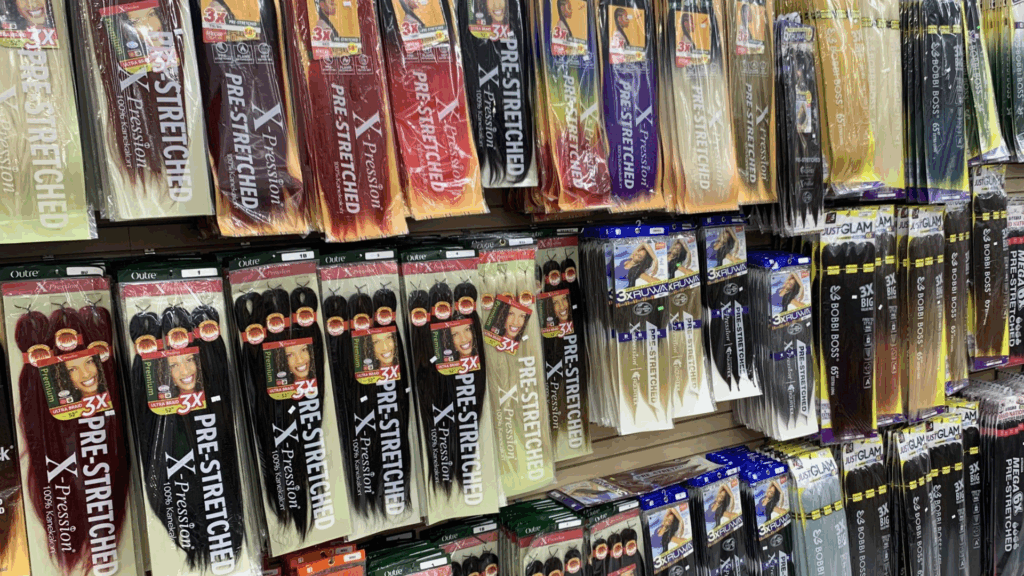
While braids have cultural significance and offer a low-maintenance hairstyle option, the potential dangers of synthetic materials raise new concerns for health and safety. In 2022, a study linked chemical straighteners to an increased risk of uterine cancer, fueling calls for regulations.
The Consumer Reports study tested ten popular brands and found that three contained benzene, a known carcinogen, while nine samples had lead levels exceeding safety limits. This has led to recommendations for further research into the safety of synthetic hair products, prompting some consumers to seek alternative, plant-based options, although these too may involve chemical processing.
Experts urge for greater transparency in ingredient labeling and more rigorous testing of hair products to ensure consumer safety, emphasizing the need for significant changes in regulation and research to protect Black women from health risks associated with beauty products.
About The Author