



In many parts of Kenya, the story of agriculture is being rewritten—not by large corporations or policymakers—but by young people determined to secure their future. Across rural and peri-urban communities, youth are stepping into farming with fresh ideas, digital tools, and a strong commitment to sustainability. What was once considered an unattractive career path is now becoming a powerful vehicle for economic empowerment and climate action.
For years, agriculture was viewed by many young people as physically demanding work with limited financial return. Today, however, a new generation of agripreneurs is challenging that perception. Armed with training, innovation, and technology, they are transforming farming into a smart, profitable, and environmentally responsible enterprise.
Farming Smarter, Not Harder
Climate change continues to disrupt traditional farming patterns. Prolonged droughts, unpredictable rainfall, and soil degradation have made it increasingly difficult for communities to rely on conventional methods. Young farmers are responding by embracing climate-smart agriculture—an approach that increases productivity while building resilience and protecting the environment.
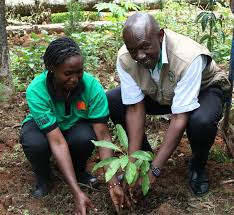
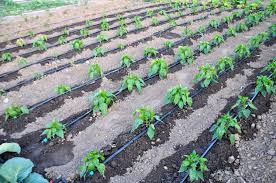
In counties such as Murang’a, Nakuru, and Kisumu, youth-led farming groups are adopting drip irrigation systems to conserve water, planting drought-resistant crops, and practising crop rotation to improve soil fertility. Others are incorporating agroforestry—growing trees alongside crops—to reduce erosion and generate additional income through fruit and timber.
These practices are not just about survival; they are about long-term sustainability.
Technology at the Heart of Change
Technology is playing a transformative role in this agricultural shift. Mobile platforms now provide farmers with real-time weather forecasts, market prices, and pest control advice. Solar-powered irrigation pumps are reducing dependency on expensive fuel. Social media platforms are enabling direct access to customers, cutting out middlemen and improving profits.
Young farmers are also forming cooperatives to share resources, exchange knowledge, and access larger markets. By working together, they are strengthening their bargaining power and building supportive networks that encourage innovation.
Agriculture as a Business
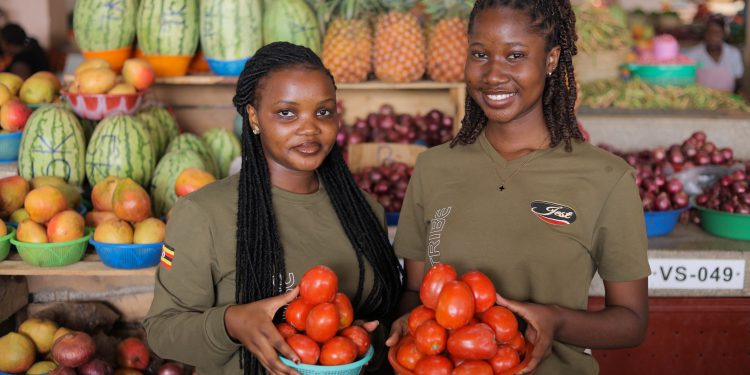
For many youth, farming is no longer simply about producing food—it is about building businesses. From processing tomatoes into paste to packaging organic vegetable boxes for urban consumers, young agripreneurs are adding value to their produce and creating employment opportunities within their communities.
Value addition not only increases income but also strengthens local economies. Through training programmes, mentorship initiatives, and micro-financing opportunities, more young people are gaining the skills and confidence to treat agriculture as a viable career path.
Overcoming Barriers
Despite the progress, challenges remain. Limited access to land, financial constraints, and fluctuating market prices continue to affect young farmers. Access to affordable credit and modern equipment is still out of reach for many. However, the resilience and determination of youth continue to drive innovation, even in the face of these obstacles.
Community organisations, development partners, and government agencies have a crucial role to play in supporting youth-led climate-smart agriculture. By investing in young farmers today, Kenya can strengthen food security, reduce unemployment, and build climate resilience for future generations.
A Movement of Hope
The rise of youth in sustainable agriculture represents more than a shift in farming practices—it reflects a shift in mindset. Young people are no longer waiting for opportunities; they are creating them. Through innovation, collaboration, and environmental stewardship, they are proving that agriculture can be modern, profitable, and sustainable.

As climate challenges intensify, Kenya’s young farmers are showing that solutions can grow from the ground up. Their work stands as a reminder that when youth are empowered with the right tools and support, they can cultivate not just crops—but lasting change.
About The Author