



Introduction.
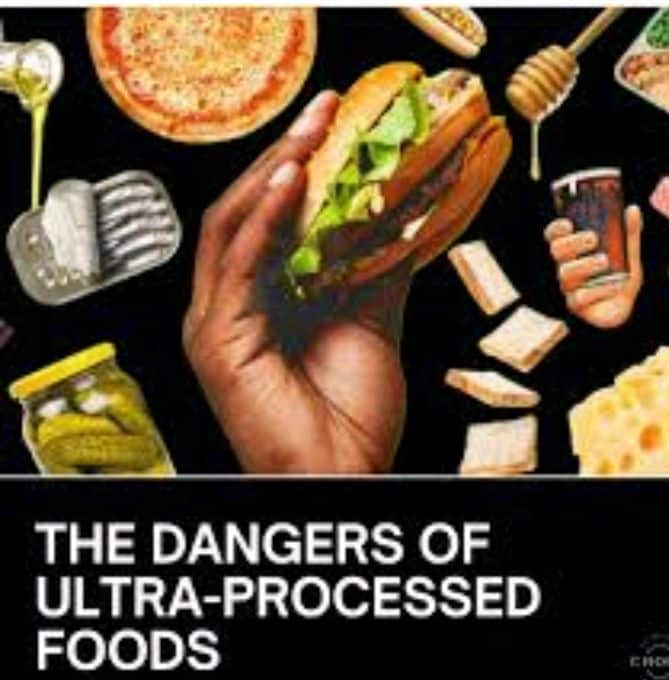
The Dangers of Processed Foods to Human Health Processed foods have become part of everyday life—fast, convenient, cheap, and widely available. From packaged snacks to sugary drinks, instant noodles, sausages, and refined cereals, these foods are designed for long shelf life and taste enhancement. However, behind their convenience lies a growing body of evidence showing that consuming too many processed foods can pose serious health risks.Below are the major dangers they present to human health.
1. High Sugar Content and Risk of Chronic Diseases Most processed foods contain large amounts of added sugar to improve taste and preserve the product. Excessive sugar intake has been directly linked to:Obesity – Sugary snacks and drinks contribute to excessive calorie intake.Type 2 diabetes – High sugar spikes damage insulin regulation.Heart disease – Excessive sugar increases harmful cholesterol and inflammation.In children, high-sugar processed foods can lead to early weight gain, tooth decay, and poor concentration in school..
2. Excessive Salt (Sodium) Leading to High Blood Pressure Processed meats, chips, instant soups, and canned foods often contain very high sodium levels. Consuming too much salt causes:High blood pressure Heart attacks and stroke Kidney damage High sodium also causes water retention, leading to bloating and swollen feet—common especially among adults who depend heavily on instant or packaged meals.
3. Unhealthy Fats and Increased Heart Disease Risk Many processed foods are rich in:Trans fats Saturated fats These fats raise bad cholesterol (LDL) and lower good cholesterol (HDL), increasing the risk of:Heart disease Stroke Fatty liver disease Deep-fried fast food, packaged pastries, margarine, and some snacks contain these harmful fats.

4. Chemical Additives and Preservatives Processed foods contain artificial chemicals used to maintain color, taste, and shelf life. These include:Artificial sweeteners Food dyes Flavor enhancers like MSG Preservatives such as nitrates and sulfites Some of these chemicals have been linked to allergic reactions, hyperactivity in children, and potential long-term cancers.
5. Highly Refined Ingredients and Low Nutritional Value During processing, many natural nutrients in foods are removed and replaced with:Refined sugar Refined flour Artificial vitamins This leads to:Poor digestion Low fiber intake Nutrient deficiencies such as iron and vitamin B shortages A diet high in processed food is often low in essential nutrients the body needs to function well.
6. Increased Risk of Obesity and Metabolic Syndrome Because processed foods are engineered to taste good and trigger cravings, many people overeat them without feeling full. This leads to:Rapid weight gain Increased belly fat High cholesterol insulin resistance This combination of conditions is known as metabolic syndrome, a serious risk factor for heart disease and diabetes.
-7. Negative Impact on Mental Health Several studies show that high consumption of processed foods may increase the risk of:DepressionAnxietyMood swings This is because processed foods lack nutrients that support brain health, such as omega-3 fats, vitamins, and antioxidants
Conclusion.
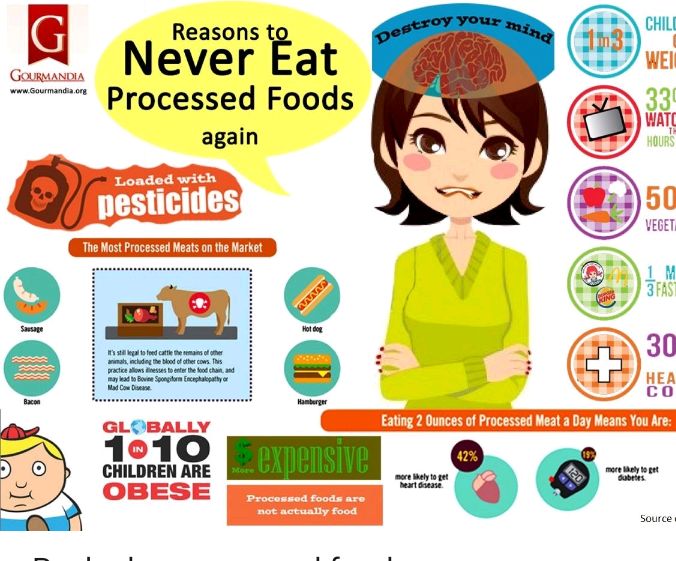
Processed foods may be convenient, but their long-term effects on human health are harmful. A diet high in sugar, salt, unhealthy fats, and artificial chemicals increases the risk of chronic illnesses such as obesity, heart disease, diabetes, and some cancers.To protect our health, we should:Choose more natural, whole foods Cook at home whenever possible Read food labels carefully Reduce intake of snacks, sugary drinks, and processed meats Small changes in eating habits can lead to better energy, improved health, and a lower risk of disease.-
About The Author