



Introduction.
Democracy—the system of government in which citizens freely choose their leaders and participate in decision-making—has been one of the most desired forms of governance in Africa since the end of colonial rule. After gaining independence, many African nations adopted democratic constitutions, holding elections and establishing parliaments to give people a voice. However, the journey toward full democracy has not been smooth. Some countries have experienced coups, election violence, corruption, and weak institutions. Despite these challenges, democracy remains a powerful ideal that continues to shape Africa’s political future. The future of democracy in Africa will depend on how well nations strengthen institutions, respect human rights, and ensure that citizens’ voices truly matter.
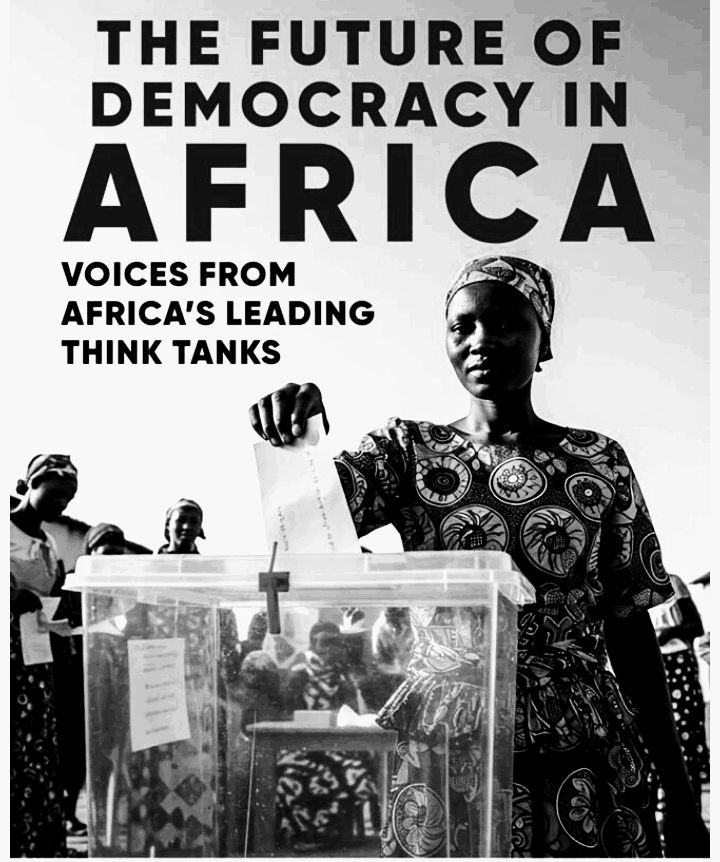
1. The Current State of Democracy in Africa Across Africa, democracy is growing—but unevenly. Some countries, such as Ghana, Botswana, Mauritius, and South Africa, have built stable democratic systems where elections are largely peaceful, and the rule of law is respected. Citizens in these nations enjoy political freedoms, independent media, and active civil societies.However, in other regions, democracy faces serious challenges. Frequent military takeovers, disputed elections, and leaders overstaying their terms have weakened democratic progress. Countries in the Sahel region, like Mali, Niger, and Burkina Faso, have recently experienced coups that replaced civilian governments with military rulers. Meanwhile, in nations such as Uganda, Cameroon, and Zimbabwe, opposition leaders often face intimidation or imprisonment. These examples show that while Africans value democracy, it still struggles against corruption, poor leadership, and weak governance.
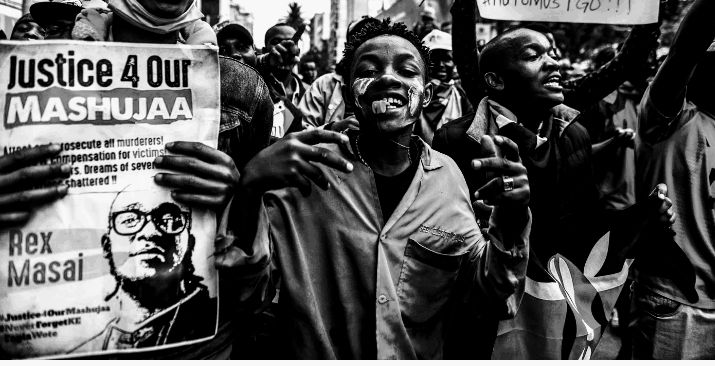
2. The Role of Technology and Youth in Shaping Democracy Africa has one of the youngest populations in the world, and this youth generation is changing how democracy works. Through social media and mobile technology, young people are using digital platforms to express opinions, organize protests, and demand accountability from leaders. Hashtags like #End SARS in Nigeria and #Fees MustFall in South Africa have shown the power of online activism in influencing government decisions.Mobile phones and the internet also make it easier to monitor elections, report irregularities, and share information instantly. Technology increases transparency and empowers citizens to hold leaders accountable. However, some governments have responded by restricting internet access or controlling online spaces during elections or protests. The future of democracy in Africa will depend greatly on how technology is used—either to empower citizens or to silence them. If governments embrace digital transparency instead of fearing it, democracy will grow stronger.
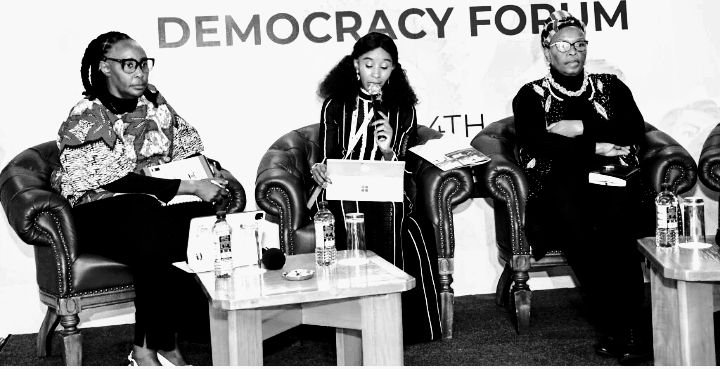
3. The Importance of Strong Institutions For democracy to thrive, Africa needs strong and independent institutions—such as the judiciary, electoral commissions, and the media. These institutions must be free from political interference so they can protect citizens’ rights and ensure that elections are fair.Unfortunately, in many countries, these institutions are weak or controlled by those in power. Electoral bodies are sometimes biased, and courts may be influenced by politicians. Strengthening these institutions is essential for building trust in democracy. An independent judiciary can protect human rights, while a free press can expose corruption and promote accountability. Civil society organizations also play a key role in educating voters and ensuring governments respect the constitution.If African countries invest in building institutions rather than personalities, democracy will have a stable and lasting foundation.
4. Economic Growth and Democratic Stability Economic development and democracy are closely linked. When people have jobs, access to education, and basic services, they are more likely to support democratic systems. On the other hand, poverty, unemployment, and inequality can create frustration that leads to political unrest.Many African citizens lose faith in democracy when it fails to improve their living conditions. Corruption and poor service delivery make people believe that elections change nothing. To secure democracy’s future, African leaders must focus on good governance, transparency, and economic reforms that benefit all citizens—not just the elite. A democracy that delivers real progress will earn the people’s trust and support.
5. Regional Cooperation and Continental Integration The African Union (AU) and regional organizations like ECOWAS, SADC, and the East African Community play a growing role in protecting democracy on the continent. ECOWAS, for example, has intervened in several West African countries to oppose military coups and uphold constitutional order. The African Union also has policies that condemn unconstitutional changes of government.Continental cooperation helps ensure that democracy is not just a national matter but a shared African value. When African countries stand together against dictatorship and corruption, democracy becomes stronger across the region. Future progress will depend on how seriously these regional bodies enforce democratic standards and support peaceful transitions of power.
6. Challenges Threatening the Future of Democracy Despite progress, several threats continue to endanger democracy in Africa:Corruption – Many leaders misuse public funds for personal gain, undermining trust in democratic systems.Election violence and manipulation – Some elections are marred by fraud, voter intimidation, or biased election commissions.Ethnic and tribal politics – Voting based on ethnicity rather than policies divides people and weakens national unity.Limited civic education – Many citizens lack knowledge of their rights and duties, making it easier for leaders to manipulate them.Authoritarianism – Some leaders refuse to leave office, change constitutions to extend terms, or silence critics.These issues must be addressed if democracy is to survive and mature across the continent.
7. The Way Forward: Building a Democratic Future The future of democracy in Africa depends on collective effort—from governments, citizens, and civil society.Key steps include:
1. Empowering citizens through education – Voter and civic education should teach people about their rights and responsibilities.
2. Ensuring free and fair elections – Independent electoral bodies must be protected from political influence.
3. Protecting freedom of expression – Journalists and activists should operate without fear of persecution.
4. Supporting youth participation – Governments must include young people in decision-making processes.
5. Promoting accountability and transparency – Leaders must be held responsible for their actions through audits, public reporting, and open governance.If these measures are implemented, Africa’s democratic future will be bright and sustainable.
Conclusion.
The future of democracy in Africa holds great promise, but it also faces serious tests. Africans increasingly desire freedom, justice, and accountable leadership, yet corruption, weak institutions, and power struggles continue to slow progress. The continent’s young population, rising digital literacy, and growing civic awareness offer hope that democracy can become stronger and more inclusive. For democracy to truly take root, African nations must focus on good governance, citizen empowerment, and respect for human rights. The next generation of African leaders and citizens has the power to transform democracy from a fragile experiment into a lasting legacy of freedom and equality for all.
About The Author