


Introduction.
In the digital era, the way people consume knowledge has evolved dramatically. Among the most influential innovations is the podcast—a digital audio program available on demand. What began as a niche medium for entertainment and news has grown into a powerful educational tool. Today, podcasts are widely used to enhance formal education, provide professional development, and support lifelong learning. Their accessibility, affordability, and flexibility make them especially valuable in a fast-changing world where continuous learning is essential.

Podcasts in Formal Education Podcasts have increasingly become integrated into classrooms and higher education institutions. Teachers and professors use them to extend learning beyond the classroom walls, making lessons available anytime, anywhere. Students can revisit lectures, listen to expert interviews, and gain a deeper understanding of complex subjects through audio storytelling.
Educational podcasts cater to diverse learning styles. Auditory learners, in particular, benefit from listening to explanations and discussions. Moreover, the conversational nature of podcasts makes difficult subjects more approachable, encouraging engagement and retention. For instance, a history podcast can bring past events to life through storytelling, while a science podcast can simplify technical topics for easy understanding.
Another key advantage is inclusivity. Podcasts allow students who may miss classes due to illness, work, or distance to keep up with coursework. With minimal equipment needed, educators can easily produce their own podcasts, ensuring cost-effective access to high-quality learning resources.

Podcasts and Lifelong Learning.
Learning does not end after graduation; in fact, lifelong learning is now seen as essential in a knowledge-driven economy. Podcasts play a central role in this process by offering flexible, on-demand access to information and skills.For professionals, podcasts provide updates on industry trends, leadership advice, and practical skills development. For example, a healthcare worker can listen to medical podcasts to stay informed about new treatments, while entrepreneurs can learn business strategies from successful innovators.
Unlike traditional training, podcasts allow individuals to learn on the go during commutes, workouts, or household chores making them ideal for busy schedules.Podcasts also promote personal growth. Many focus on self-improvement, mental health, languages, and creativity, giving learners tools to enrich their lives outside of work. In this way, they empower individuals to take control of their own learning journeys, fostering independence and curiosity.

Global Accessibility and Equity Podcasts bridge educational gaps by reaching audiences who may lack access to formal learning institutions. They are particularly impactful in developing regions where schools, libraries, and universities may be limited. Since podcasts can be downloaded and listened to offline, they are accessible even in areas with inconsistent internet connections.Furthermore, podcasts amplify diverse voices. Educators, experts, and communities can share perspectives often missing from mainstream education. This inclusivity helps democratize learning and ensures that learners are exposed to a wide range of ideas, experiences, and cultures.
Challenges and Considerations Despite their benefits, podcasts face certain challenges in education. One is quality control: not all podcasts provide accurate or reliable information. Learners must develop critical thinking skills to evaluate content. Additionally, podcasts are mostly auditory, which may disadvantage visual learners who rely on diagrams, charts, or visual demonstrations. Combining podcasts with other resources such as e-books or videos can address this limitation.Another challenge is accessibility for learners with hearing impairments. While some podcasts offer transcripts, many do not, limiting their reach. To maximize impact, creators should consider inclusive practices such as providing written transcripts and multilingual options.
Conclusion.
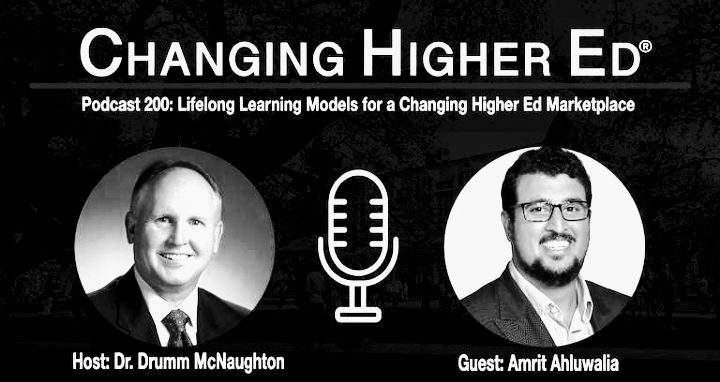
Podcasts have proven to be a versatile and powerful tool in education and lifelong learning. They complement traditional teaching, support professional development, and make knowledge accessible to people of all ages and backgrounds. Their flexibility allows learning to happen anytime and anywhere, fitting seamlessly into modern lifestyles. Although challenges exist, the continued growth of podcasting holds immense potential to democratize education and inspire lifelong curiosity. In a world where knowledge is power, podcasts are emerging as one of the most effective vehicles for empowering learners across the globe.
About The Author