



In 2026, African tech hubs are emerging as some of the most dynamic and promising centers of innovation in the world. Cities from Nairobi and Lagos to Kigali and Cape Town are no longer just local incubators—they are magnets for international investment, drawing venture capital, multinational partnerships, and global attention. This surge reflects a convergence of talent, entrepreneurial ambition, and the growing recognition that Africa’s technology ecosystem offers opportunities that are both economically viable and socially impactful.

At the heart of this momentum are Africa’s tech hubs themselves. These innovation centers are more than co-working spaces; they are ecosystems that provide startups with mentorship, access to networks, and the infrastructure necessary to scale solutions rapidly. By fostering collaboration across sectors and borders, they allow entrepreneurs to test ideas, secure early-stage funding, and connect with investors who might otherwise overlook emerging markets. What sets these hubs apart is their ability to pair local insight with global best practices, producing startups that are both culturally attuned and investment-ready.
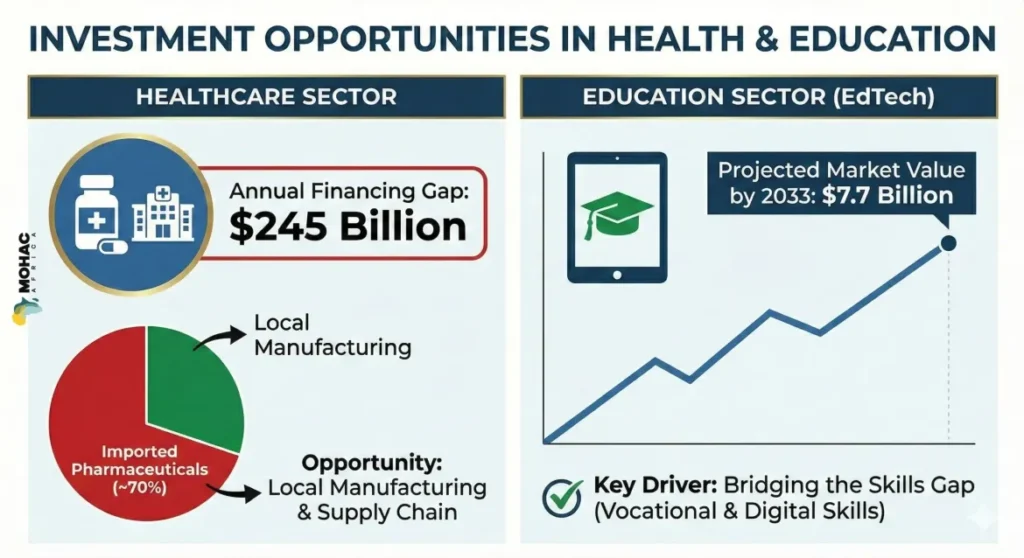
International investors are increasingly drawn to these hubs because they offer more than just financial returns—they offer access to some of the fastest-growing markets in the world. African tech startups are addressing pressing challenges in fintech, health tech, renewable energy, agritech, and logistics, providing innovative solutions that resonate with local populations while offering scalability across the continent. Investors recognize that supporting these ventures is not merely an act of philanthropy but a strategic entry into high-potential markets with a growing middle class and increasing digital adoption.
Beyond the economic incentives, African tech hubs are cultivating credibility and visibility on the global stage. Conferences, pitch competitions, and collaborative initiatives with international partners have amplified the reach of African startups, allowing entrepreneurs to showcase their innovations to a broader audience. Mentorship programs connecting African founders with experienced investors and corporate leaders have enhanced the sophistication of business models, strengthened governance practices, and improved investor confidence.
This influx of international investment is transforming both the startups themselves and the ecosystems in which they operate. Hubs are able to expand infrastructure, develop accelerator programs, and create stronger pipelines of talent. Startups gain the capital necessary to scale operations, enter new markets, and refine products that meet global standards. Moreover, these investments often bring knowledge transfer, helping founders and teams develop skills in finance, marketing, and operational management that extend well beyond initial funding rounds.

Importantly, the growth of African tech hubs also has profound social and economic implications. By fostering local innovation, creating high-quality jobs, and enabling the digital transformation of traditional industries, these hubs are contributing to broader development goals. Women entrepreneurs, young innovators, and historically underrepresented groups are increasingly participating, supported by programs specifically designed to improve equity and inclusion within the tech sector.
As 2026 progresses, the trajectory is clear: African tech hubs are no longer peripheral players in the global innovation landscape. They are central, influential, and increasingly capable of attracting serious international investment. What began as localized initiatives have matured into sophisticated ecosystems where entrepreneurial ambition meets strategic opportunity, proving that Africa is not just keeping pace with global tech trends—it is shaping them. The continent’s tech entrepreneurs, backed by supportive hubs and international capital, are charting a path toward a future where innovation, economic growth, and social impact converge.
About The Author