



Across the African continent, young people are no longer waiting to be invited into conversations about climate change—they are leading them. This energy and determination came together powerfully at the Pan-African Climate Youth Summit, a landmark gathering that convened young climate leaders from across Africa to share experiences, shape collective priorities, and assert their place in defining the continent’s climate future.
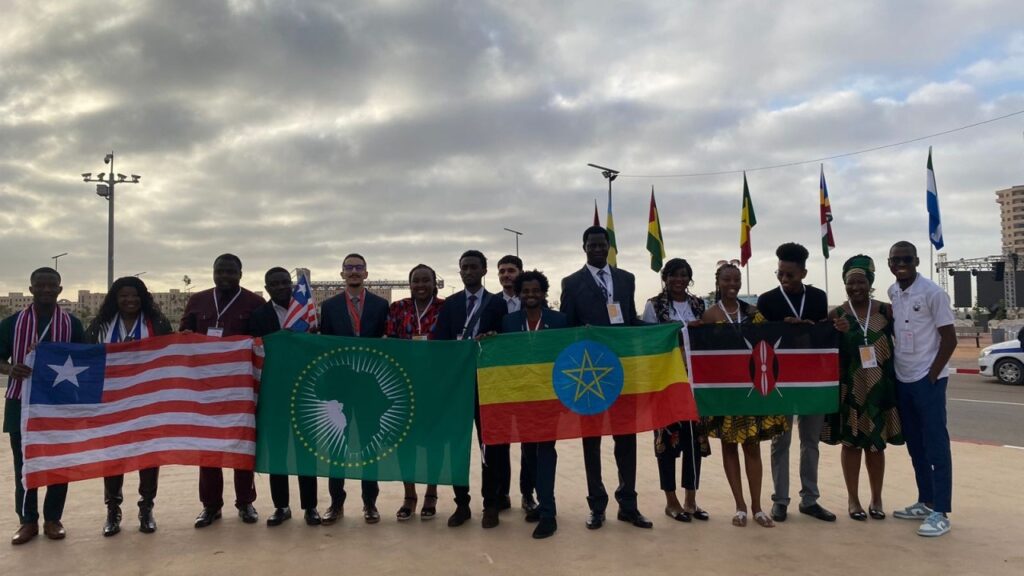
The summit brought together youth activists, researchers, entrepreneurs, and community organisers from diverse regions, including East, West, Central, North, and Southern Africa. Despite coming from different cultural and ecological contexts, participants were united by a shared reality: Africa is already living with the consequences of climate change, and its young people are among the most affected. Yet rather than framing themselves solely as victims of a global crisis, summit participants positioned themselves as problem-solvers, innovators, and advocates for justice-driven solutions.
Throughout the convening, young leaders stressed the importance of centring African perspectives in global climate discourse. For too long, decisions about climate finance, adaptation strategies, and mitigation priorities have been shaped without sufficient input from those on the front lines. Youth speakers spoke candidly about droughts disrupting food systems, floods displacing families, and rising temperatures threatening livelihoods. These lived experiences, they argued, give African youth unique insight into what effective and equitable climate action truly requires.

At the same time, the summit highlighted Africa’s immense capacity for innovation and resilience. Participants shared stories of youth-led initiatives restoring degraded land, promoting climate-smart agriculture, expanding access to renewable energy, and mobilising communities through education and advocacy. These efforts demonstrated that solutions do not need to be imported; many are already emerging organically from local knowledge, creativity, and collaboration.
A recurring theme was the intersection between climate action and broader social justice concerns. Speakers emphasised that climate change cannot be addressed in isolation from issues such as inequality, gender inclusion, education, and economic opportunity. For Africa’s youth, climate leadership is inseparable from the pursuit of dignified livelihoods and inclusive development. Green transitions, they argued, must also be just transitions—ones that create opportunities rather than deepen existing disparities.
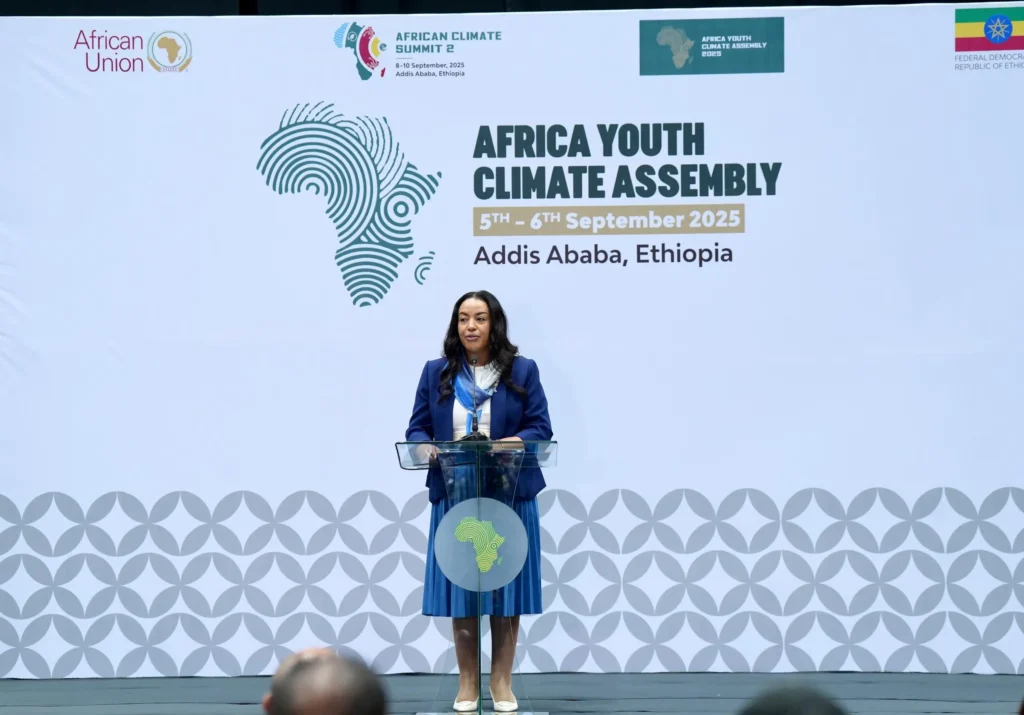
The summit also served as a space for connection and collective strategy. Young leaders reflected on the power of pan-African solidarity, noting that while climate impacts differ across regions, shared learning and cooperation strengthen responses everywhere. By building networks that transcend national borders, participants envisioned a continental youth movement capable of influencing policy at national governments, the African Union, and international climate forums.
As the summit drew to a close, the focus shifted from dialogue to action. Delegates reaffirmed their commitment to sustaining momentum beyond the event by strengthening youth-led organisations, mentoring emerging climate leaders, and ensuring African youth voices remain visible and influential in decision-making spaces. The message was unmistakable: African youth are not asking for symbolic inclusion, but for meaningful participation and accountability.
The Pan-African Climate Youth Summit marked more than a moment of convening—it represented a growing movement. One defined by confidence, collaboration, and a clear understanding that Africa’s climate future will be shaped by those bold enough to lead today. In amplifying the voices of the continent’s next generation, the summit underscored a powerful truth: Africa’s youth are not only inheriting the climate challenge, they are actively building the solutions.
About The Author