



Introduction.
Making Nutrition Affordable for Everyone Healthy eating is often seen as expensive, difficult, or time-consuming. Many people believe that nutritious meals require costly ingredients, specialty products, or organic labels. However, the truth is that you can eat well even with a tight budget, as long as you plan wisely, shop smart, and make thoughtful choices. Healthy eating is not about buying the most expensive foods—it is about selecting nutrient-dense options, reducing waste, and preparing meals that are both economical and nourishing. This article explores how individuals and families can achieve better nutrition without overspending.

1: Understanding the Basics of Budget-Friendly Healthy Eating Healthy eating on a budget begins with clarity and planning. Many people overspend on food simply because they shop without a list or buy unnecessary items. A well-structured plan helps avoid impulse purchases, reduces waste, and ensures that meals are balanced.
1. Planning and Meal Preparation Planning your meals for the week is the most important step. When you create a simple weekly menu, you can:Buy only what you need Avoid eating out frequently Reduce spoilage Make healthier substitutions Meal prep—such as cooking in bulk—helps minimize the time spent in the kitchen and reduces the risk of buying fast food or snacks due to hunger or fatigue.
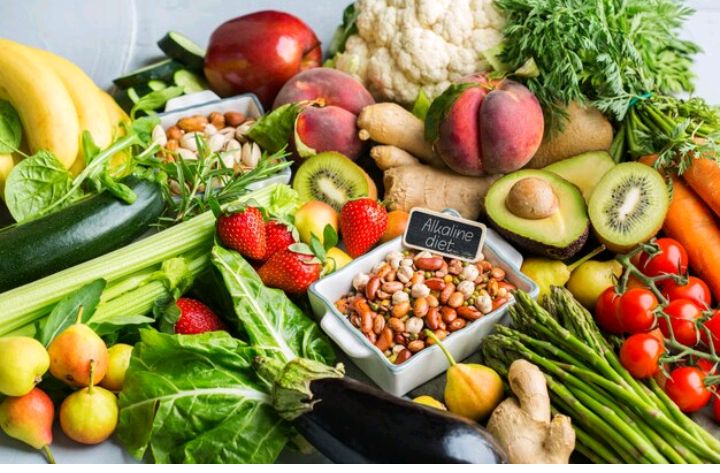
2. Prioritizing Nutrient-Dense, Low-Cost Foods There are many affordable foods that offer excellent nutrition:Beans and lentils – High in protein, fiber, and very inexpensive Rice and whole grains – Filling, versatile, and long-lasting Seasonal fruits and vegetables – Cheaper and fresher when in season Eggs – A complete, low-cost source of protein Sweet potatoes and maize – Nutritious, filling, and cheap Oats – Perfect for breakfast and digestion These foods can form the foundation of a healthy diet without blowing your budget.
3. Understanding Portions Sometimes people overspend because they cook or serve too much food. Knowing your portion sizes helps save money and reduces food waste. Eating the right portion also helps maintain a healthy weight and prevents overeating.

2: Smart Shopping Strategies Healthy eating on a budget requires smart shopping habits. The goal is to get the best value without compromising nutrition.
1. Create and Stick to a Shopping List A shopping list is your number one defense against overspending. Write down only the items you need and stick to it. This prevents impulse buying, especially for snacks and sugary drinks.
2. Buy in Bulk When Possible Foods like beans, rice, pasta, and oats are cheaper in larger quantities. Bulk buying saves money in the long run and ensures you always have basic ingredients available. However, avoid buying large amounts of food that spoil quickly.
3. Choose Local and Seasonal Produce In markets across Africa and around the world, seasonal foods are always cheaper. For example:Mangoes and pineapples are cheaper in their peak season Sukuma wiki, spinach, and kale are usually affordable all year Sweet potatoes and bananas often cost less than imported fruits Buying local also supports farmers in your community.
4. Compare Prices and Look for Deals Different shops offer different prices for the same product. Compare:Supermarket prices Local market prices Wholesale shops Street vendors Promotions, discounts, and loyalty programs can also help you save.
5. Reduce Spending on Processed Foods Processed foods—such as sausages, crisps, sodas, sweets, and packaged snacks—are expensive and offer little nutrition. Reducing these purchases not only saves money but also improves your health.6. Avoid Waste Store your food properly, freeze leftovers, and use perishable items before they spoil. Proper storage can save a lot of money over time.
3: Healthy, Budget-Friendly Cooking Habits You don’t need an expensive kitchen to prepare healthy meals. Simple cooking methods make a big difference in both cost and nutrition.
1. Cook at Home More Often Preparing your meals at home allows you to control:IngredientsPortionsOil and sugar levels Overall cost Even simple meals like rice and beans, ugali and vegetables, or boiled eggs with salad can be cheaper and healthier than restaurant food.
2. Use Simple Cooking Methods Boiling, steaming, stir-frying, and baking are healthier and often cheaper than deep frying. These methods use less oil, keeping meals nutritious and economical.
3. Stretch Expensive Ingredients If chicken, meat, or fish is costly, you can stretch it by:Mixing with vegetables Adding beans or lentils Cooking stews instead of large chunks Using bones to prepare soups This way, you enjoy the flavor and nutrients without overspending.
4. Choose Homemade Snacks Over Store-Bought Instead of buying packed snacks, consider:Homemade popcorn Fruit slices Nuts (in small portions)Roasted maize Homemade smoothies These are cheaper and more nutritious
.5. Stay Hydrated With Water Soft drinks, juices, flavored beverages, and energy drinks drain your budget. Water is free (or very cheap), healthy, and necessary for your body. Staying hydrated also reduces snack cravings.

Conclusion.
Healthy eating on a budget is achievable for anyone. With careful planning, smart shopping, and simple cooking habits, you can nourish your body without spending too much. The key is choosing nutrient-rich, affordable foods, avoiding waste, and preparing meals at home. Over time, these habits improve your health, save money, and contribute to a more sustainable lifestyle.
About The Author