



In recent years, blockchain technology has moved beyond its roots in cryptocurrency to become a powerful tool for social impact across Africa. Startups across the continent are leveraging blockchain to enhance transparency, improve governance, and make essential services more accessible to communities that have historically been underserved.

Blockchain for Transparency and Trust
One of the most significant challenges in governance and public service delivery in Africa has been the lack of transparency. Corruption, mismanagement, and inefficiencies often prevent resources from reaching the people who need them most. Blockchain, with its decentralized and tamper-proof ledger system, offers a solution. Every transaction or record is immutable, verifiable, and publicly auditable, making it nearly impossible for funds or information to be manipulated without detection.
For instance, several startups are now piloting blockchain-based systems to track aid distribution in real-time. This ensures that food, medical supplies, or financial assistance reaches the intended recipients and reduces leakages in humanitarian efforts.

Innovative Use Cases Across the Continent
- Land and Property Registries: In countries where land ownership disputes are common, blockchain-based registries help create immutable records of land titles, reducing conflicts and enhancing legal certainty.
- Transparent Public Spending: Some startups collaborate with local governments to publish budgets and expenditures on blockchain. Citizens can monitor how funds are allocated and spent, fostering accountability and citizen engagement.
- Identity and Access Services: Blockchain is also used to provide digital identities to individuals without official documentation. This is crucial for accessing banking services, healthcare, and social welfare programs.
- Community Voting Systems: In certain regions, blockchain-powered voting platforms are being explored to conduct local elections or community decision-making processes securely and transparently, reducing the risk of manipulation.
Driving Financial Inclusion
Beyond governance, blockchain is improving financial inclusion. Startups are enabling peer-to-peer payment systems, microloans, and remittances without the need for traditional banks, which are often inaccessible to rural populations. By providing secure, transparent, and low-cost financial tools, blockchain helps communities participate more fully in the digital economy.

Challenges and the Road Ahead
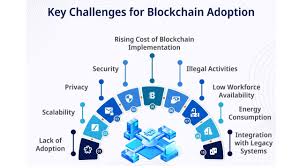
Despite the potential, adoption of blockchain for social good faces challenges. These include limited digital literacy, infrastructure gaps, regulatory uncertainty, and the high cost of implementation. However, the momentum is growing, fueled by young tech entrepreneurs and supportive innovation hubs across Africa.
As African startups continue to harness blockchain, the continent stands at the forefront of a movement where technology directly strengthens community governance, accountability, and access to essential services. This is a clear example of “Tech for Good”—where innovation is not just about profit, but about building equitable and transparent systems that empower citizens.
About The Author